Can Dogs Eat Avocado? What the Fat, the Pit, and the Persin Actually Mean
Medically reviewed by Justin Shmalberg, DVM, CVA, ACVN, ACVSMR — For general education — not a substitute for veterinary care.
A few bites of ripe avocado flesh won't poison most dogs, but the pit sitting in the compost bin is the part that actually sends dogs into surgery.
On this page
A client once brought in a middle-aged beagle mix who’d spent an afternoon unsupervised in a backyard with an overloaded avocado tree. The dog hadn’t touched the fruit hanging in reach; she’d gone straight for the windfall on the ground, pits and all, and worked through at least two of them before anyone noticed the mess of chewed husks by the fence. She wasn’t vomiting. She wasn’t lethargic. She was, if anything, pleased with herself. That calm is exactly what makes avocado a trickier conversation than most dog owners expect — the fruit’s actual toxin gets far more airtime than the two things that land dogs in an exam room: the pit, and the fat.
What’s Actually in the Bowl: Flesh, Skin, and Pit
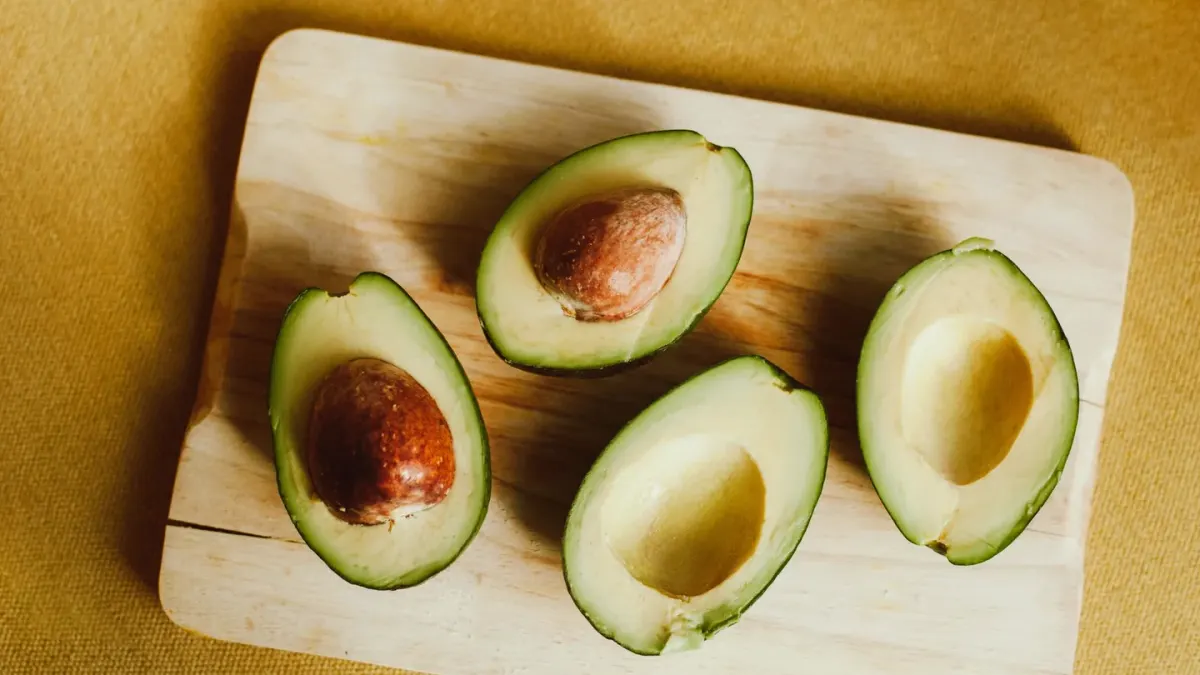
Start with the parts, because they don’t carry equal risk. The flesh is the mildest of the three — it’s mostly fat and fiber, and in small amounts it tends to pass through an average dog without incident. The skin and pit are a different story: both are firmer, harder to digest, and the pit specifically is dense enough that it doesn’t break down in stomach acid at all, according to the ASPCA, which also notes that dogs and cats may develop pancreatitis from the fat content if enough avocado is eaten, and that a swallowed pit can cause intestinal obstruction. That last risk is not theoretical. Veterinary sources describe avocado pits as a genuine choking and blockage hazard, particularly in smaller dogs, sometimes requiring imaging or surgery to confirm and resolve.
Where the Real Risk Lives: Fat, Not Persin
Here’s where I’ll push back on the way this topic usually gets framed. Persin — the compound blamed for most of avocado’s scary reputation — is a real toxin, but dogs are comparatively resistant to it next to birds, horses, and cattle, which can suffer serious cardiovascular effects from even modest exposure. The Merck Veterinary Manual catalogs persin toxicosis across species, and dogs consistently show up as one of the least sensitive. What actually deserves your attention is the fat: avocado is calorie-dense and lipid-heavy, and a dog with a fat-sensitive pancreas — schnauzers are the breed most often flagged for this — can tip into a painful, vomiting, food-refusing episode after eating far less avocado than you’d assume. The American Kennel Club frames this the same way: portion and pit control matter more than persin panic.
A neighbor’s senior Lab mix, overweight and prone to loose stool after any diet change, got a spoonful of guacamole at a backyard barbecue because nobody thought twice about it. By that evening she was hunched, refusing dinner, and reluctant to jump onto the couch — not dramatic enough for an emergency room visit, but exactly the kind of quiet GI flare that a fat-sensitive gut throws when it’s asked to do more than it can handle. Her owner spent the next two days on bland food and a slow return to her regular kibble, and she came out fine. That’s the more common outcome than pit obstruction, and it’s the one worth planning around if your dog has any history of pancreatitis, loose stool, or weight gain.
If You’re Going to Share a Bite: Portion and Prep
If you want to offer avocado at all, keep it small, plain, and rare. A teaspoon-sized amount of ripe flesh for a mid-size dog is a reasonable ceiling, not a daily habit, and it should never include the skin or pit. Skip guacamole outright — the onion, garlic, salt, and lime layered on top carry their own risks independent of the avocado, in the same way garlic in small amounts deserves its own caution rather than a blanket pass. Dogs prone to pancreatitis, dogs carrying extra weight, and dogs with a known fat sensitivity are better off skipping avocado entirely rather than testing the line. If you’re weighing lower-risk produce to rotate into a dog’s diet instead, sweet potato prepared plain is a gentler comparison point — starchier, lower in fat, and easier to portion consistently.
When the Gut Pushes Back
When a dog does get an upset stomach after too much fat — from avocado or anything else — the recovery conversation is worth grounding in the evidence rather than folklore. Research on probiotic supplementation in dogs has found that diversity metrics alone didn’t distinguish which dogs responded to treatment from which didn’t, per a study in Frontiers in Veterinary Science, which is a useful reminder that gut recovery is individual and not something a single supplement guarantees. Fiber support is a gentler lever than people expect, and it’s worth understanding how much fiber is actually too much before reaching for a bland-diet fix. For dogs with a more persistent fat-intolerance issue — the kind that shows up as exocrine pancreatic insufficiency rather than a one-off flare — management leans on low-residue, moderate-fat diets and enzyme replacement rather than any single ingredient swap, according to a review in the Journal of the American Veterinary Medical Association. If a dog’s stool quality doesn’t settle within a couple of days of bland feeding, that’s a vet visit, not a supplement aisle decision — and if you’re building out gut support more broadly, a vetted probiotic comparison is a better starting point than guessing at strains.
The Bottom Line
I don’t think avocado deserves the alarm it gets in group chats, and I don’t think it deserves a free pass either. The persin fear is overstated for dogs specifically. The pit is a real and occasionally surgical hazard. The fat is the quiet risk that actually shows up in exam rooms, especially in dogs already carrying extra weight or a pancreatitis history. My actual recommendation: keep the pit and skin away from your dog without exception, keep any shared flesh to a token amount, and treat a fat-sensitive dog’s avocado exposure the same way you’d treat a fatty table scrap — as something to avoid, not portion around.
Frequently asked questions
Is guacamole worse than plain avocado for a dog?
Usually, yes. Guacamole typically carries onion, garlic, salt, and lime, any of which can cause its own GI upset independent of the avocado itself, and the added fat and salt stack on top of avocado's own fat load.
My dog ate a whole avocado pit — how worried should I be?
Worried enough to call your veterinarian right away. The pit does not break down in the stomach and is a documented cause of intestinal obstruction, which is a surgical emergency in some cases, so don't wait for symptoms before you call.
Sources
- The Scoop on Avocado and Your Pets — ASPCA
- Avocado (Persea spp) Toxicosis in Animals — Merck Veterinary Manual
- Avocado Toxicity in Dogs — What to Do if Your Dog Eats an Avocado — American Kennel Club
- Exocrine pancreatic insufficiency: nutritional management and pancreatic enzyme replacement therapy — Journal of the American Veterinary Medical Association
- Diversity metrics and probiotic response in dogs — Frontiers in Veterinary Science