Enrichment & Cognition
Flip the bag over — plain-English reads of the food, treats, and supplements in your dog's bowl.
-

Age-Appropriate Enrichment for Puppies: What Actually Changes by Week
A neurology-informed guide to matching enrichment to a puppy's developing nervous system, week by week, from the socialization window through adolescence.
-
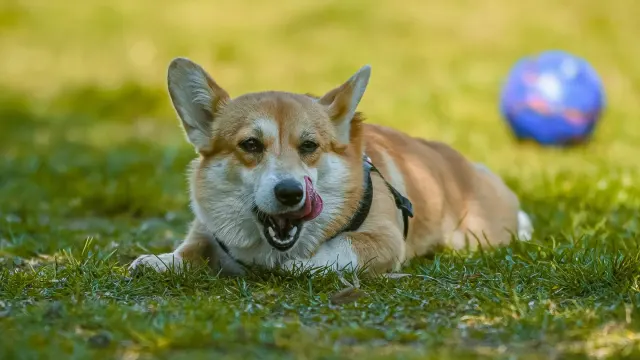
What to Put in a Frozen Kong: A Neurologist's Layering Method
A DACVIM neurologist explains what actually belongs in a frozen Kong — and why layering for chew mechanics beats dumping in one food, with ingredients to skip.
-

Best Puzzle Feeders for Beginner Dogs: A Vet's Guide to Starting Slow
A hospice and palliative-care vet explains how to pick a first puzzle feeder for a beginner dog, what to look for, and where the fastest eaters need it most.
-
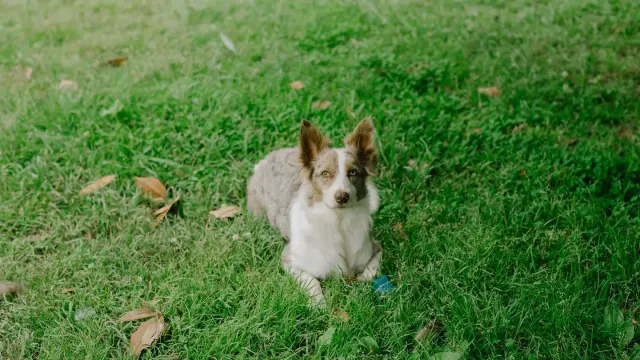
Brain Games for Border Collies and Herding Breeds
A hospice-and-rehab vet's stage-by-stage guide to mental stimulation for border collies and other herding dogs, from puppyhood through the senior years.
-

Can You Over-Stimulate a Dog? What Trigger Stacking Actually Looks Like
Overstimulation in dogs is real, and it's not the same as excitement. Here's how trigger stacking builds, what it looks like before it boils over, and how to build recovery into the day.
-

Enrichment for Senior Dogs: Keeping Aging Minds Sharp
A veterinary nutritionist's field-tested approach to mental enrichment for older dogs — what actually slows cognitive decline, what's marketing noise, and how to build a week that fits a stiffer, slower dog.
-

Enrichment That Keeps Dogs Cool in Hot Weather
A hospice-and-palliative-care vet's guide to keeping dogs mentally satisfied and physically safe when the temperature makes the usual walk a bad idea.
-

How Long Does a Frozen Kong Actually Take to Empty?
A hospice and palliative-care vet breaks down what really controls how long a frozen Kong lasts — the freeze time, the filling, and when "long-lasting" stops being the goal.
-
How to Wash a Snuffle Mat (Without Wrecking the Loops)
A vet's step-by-step guide to washing, drying, and maintaining a snuffle mat — plus how often it actually needs it and when to retire one for good.
-
Sensory Enrichment for Dogs: Introducing New Smells and Textures
A veterinary nutritionist and sports-medicine specialist explains why novel scents and textures matter for a dog's daily welfare, and how to introduce them without overwhelming a dog.
-
Shelter Dog Enrichment on a Volunteer Budget
A neurologist's field guide to enrichment ideas for shelter dogs that actually change a stressed nervous system — not just a kennel card.
-
Why Sniffing Tires Dogs Out More Than Walking
A hospice vet explains why fifteen minutes of nose work can leave a dog more settled than a brisk mile — and how to build sniff time into a comfort-first routine.
-
Chew Toys vs. Puzzle Toys for Boredom: Which One Actually Answers What Your Dog Is Asking For
A neurologist's field guide to matching chew toys and puzzle toys to the kind of boredom your dog is actually showing you, with the tooth-safety line neither product category should cross.
-
Food-Dispensing Toys vs. Treat Balls: Which One Actually Fits Your Dog?
A neurologist's practical breakdown of food-dispensing toys versus treat balls — how each works, who benefits most, and how to pick without guessing.
-
Puzzle Feeders vs. Slow Feeder Bowls: Which Problem Are You Actually Solving?
A neurologist's guide to choosing between a slow feeder bowl and a puzzle feeder, grounded in what each one changes physiologically and behaviorally.
-
Frozen Toys for Teething Puppies: What Actually Helps (and What Can Crack a Tooth)
A stage-by-stage guide to using frozen toys and treats safely through a puppy's teething timeline, plus which frozen textures a veterinary neurologist would skip.
-
What Is a Snuffle Mat for Dogs, and How Does It Actually Work?
A hospice-trained vet explains how snuffle mats turn a dog's nose into a slow, calming job — what they're good for, who should skip them, and how to use one safely.
-
How to Mentally Tire a Dog That Can't Exercise
A neurologist's guide to tiring out a dog that can't walk far — scent work, puzzle feeders, and low-impact training that drain energy without stressing joints.
-
Why Your Dog Won't Settle in the Evening
A board-certified veterinary neurologist walks through the medical, behavioral, and age-related reasons dogs pace, pant, and won't calm down at night — and what actually helps.