Does Yucca Support Dog Joints? What the Evidence Says
A hospice vet explains what yucca saponins may do, why clinical proof in arthritic dogs is missing, and what to prioritize instead for comfort and mobility.
Yucca sounds soothing for stiff joints, yet the canine evidence is thin and comfort still depends on proven basics.

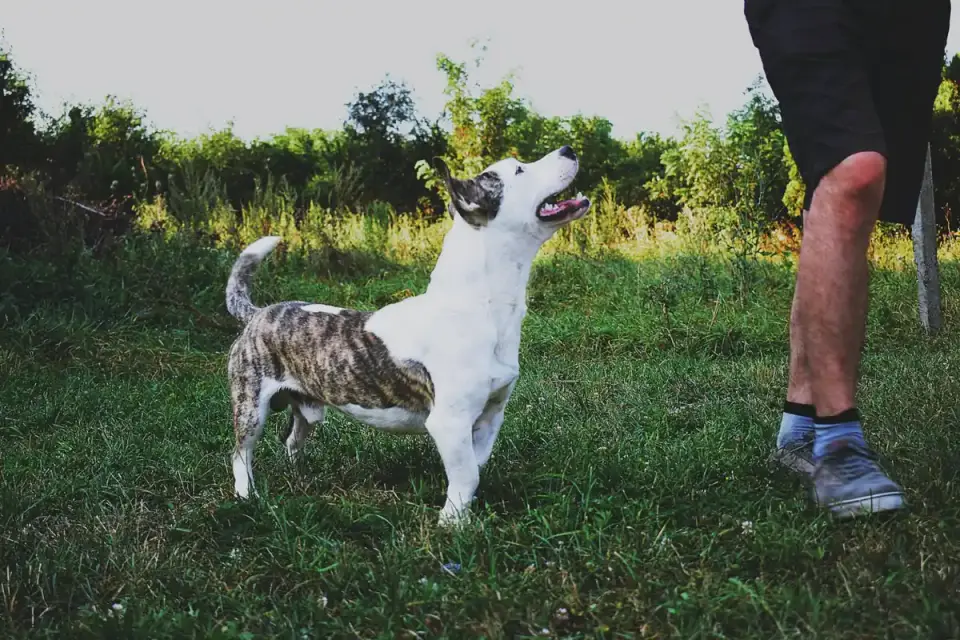
An older cattle dog mix hesitated at the kitchen threshold each morning, front paws planted and hind legs slow to follow. Her person, a woman in her sixties who had started making bone broth on Sundays, had found a joint chew with yucca root listed near the top and wondered if this desert plant could make those first steps easier. The dog weighed 48 pounds that month, down two pounds from the winter before, and she would stand for a full minute before choosing the three porch steps to the yard. That pause is the moment so many families ask about, the small daily stiffness that makes comfort feel urgent and personal.
I understand that urgency in my own practice. When a dog we love moves less freely, we want something gentle that may help support comfort without adding burden. Yucca, most often Yucca schidigera, is added to joint formulas for its steroidal saponins and polyphenols, compounds studied for antioxidant and anti-inflammatory activity in laboratory models. The idea is plausible, and the marketing often sounds confident, so flipping the package over to read the rest of the panel matters more than the front claim.
What is yucca actually doing in a joint formula?
Yucca root contains saponins that foam like soap in water, along with resveratrol-like phenols. In test tubes and rodent models, these fractions have shown effects on inflammatory mediators and oxidative stress, which is why they appear in some arthritis and gut-health traditions. A widely cited review in the Journal of Inflammation summarized anti-inflammatory and anti-arthritic observations for Yucca schidigera in laboratory and animal models, while noting that human and veterinary clinical data remain limited.
That gap matters for dogs. Laboratory activity does not tell us whether a 25 mg sprinkle in a chew reaches an arthritic hip or stifle in an active form, or for how long. Reputable arthritis overviews such as the Merck Veterinary Manual still frame canine osteoarthritis management around weight control, controlled exercise, physical rehabilitation, and medications or joint-support strategies with more direct clinical study, rather than botanicals alone.
For context on better-studied options, families often benefit from reading how Fish Oil vs. Glucosamine for Dog Joint Health: What Each One Actually Does separates lubrication, cartilage support, and inflammatory pathways, and how Dog Hip and Joint Supplement: What Actually Works, Ingredient by Ingredient walks through doses on a label.
She had tried a yucca-forward chew on her own by then, hoping a plant-based choice would be enough. For 21 nights she kept a small notebook by the kettle, marking whether the dog rose on the first call and whether she finished the short loop to the mailbox. By the third week the morning rise was still taking 40 to 50 seconds, and two evenings ended with the dog lying down halfway home and needing coaxing. The chew was not causing vomiting or diarrhea, which was a relief, but comfort had not shifted in a way the family could feel. That is a common tradeoff with single-botanical formulas, easy to give and easy to hope on, while weight, muscle tone, and pain assessment wait unaddressed.
Why does the evidence for stiff dogs still feel so thin?
There are no well-powered, placebo-controlled trials of yucca alone for naturally occurring osteoarthritis in dogs that establish dose, duration, or meaningful change in validated pain scores or gait. Most of what we have comes from chemistry, cell culture, and induced inflammation in other species, plus traditional use and palatability data in livestock feeds. That does not mean yucca is harmful at typical supplement amounts, but it does mean we cannot describe it as joint-protective in the clinical sense.
Dose transparency is the other concern. Many labels list a proprietary blend or yucca powder without milligrams per chew, without saponin standardization, and without feeding trials. I would rather see named ingredients with amounts, sourcing, and a National Animal Supplement Council quality seal concept explained alongside realistic expectations, than a long botanical list with no numbers. Families comparing labels may find The Best Joint Supplement for Dogs: A Vet’s Honest, Dose-by-Dose Breakdown useful for that side-by-side habit, and Glucosamine for a Dog Struggling With Stairs at Night: What the Evidence Actually Supports helpful for night-time stiffness specifically.
Safety also deserves a quiet word. Yucca saponins can irritate the gut in sensitive dogs, especially at high amounts or combined with other saponin-rich herbs. Dogs with chronic kidney disease, liver disease, pregnancy, or those taking steroids or nonsteroidal anti-inflammatory drugs need individualized veterinary guidance before adding any botanical. Client education pages such as VCA Hospitals remind owners that supplements work best inside a broader comfort plan, not as a substitute for pain assessment.
What would support comfort more reliably than yucca alone?
The later conversation in that home did not start with a new jar. It started with rugs on the slick hallway, a ramp for the car, and a half-mile morning walk split into two shorter outings with rest in between. The dog was 13 that spring, with cloudy eyes and a graying muzzle, and she could manage about 0.4 miles before her hind stride shortened and she began to lag two body lengths behind. We shortened the loop, added five minutes of gentle massage and warm bedding after, and asked the primary veterinarian to rescore pain and weight. The yucca chew stayed only as background flavoring once the dose was confirmed low, not as the center of the plan.
That bending of the usual advice is intentional. For a frail senior who cannot tolerate long walks, or a dog with an upset stomach, strict exercise or multi-ingredient loading may need to pause. Comfort and quality of life lead, and the plan follows the dog in front of us. If a family loves a formula that happens to contain yucca and the dog eats it well, I do not ask them to fear it. I ask that yucca not carry the whole weight of the decision, and that proven supports with clearer dosing come first where tolerated.
My evidence-bounded recommendation is steady. Consider yucca a minor, plausible adjunct that may help support comfort as part of a full diet, not a joint therapy on its own. Prioritize lean body condition, low-impact movement, non-slip footing, veterinary pain assessment, and ingredients with more canine data such as fish oil omega-3s, glucosamine and chondroitin with stated milligrams, and hyaluronic acid where appropriate. If you try a yucca-containing product, choose one that names yucca species and milligrams per serving, watch stools and appetite for two weeks, and define what better looks like in advance, such as rising faster or taking stairs with less hesitation.
Frequently asked questions
Can yucca replace my dog's arthritis medication?
No. There is no clinical trial showing yucca alone controls canine osteoarthritis pain, and prescribed medications should only be changed with your veterinarian. Think of yucca at best as a minor dietary adjunct inside a broader comfort plan.
How much yucca is in most dog joint chews?
Many labels do not say. Look for Yucca schidigera with milligrams per chew or per serving and saponin standardization; without that, you cannot judge dose or compare products.
Is yucca safe for dogs?
Typical small amounts in commercial chews are usually well tolerated, but saponins can cause drooling, vomiting, or soft stool in sensitive dogs. Talk with your veterinarian first if your dog takes anti-inflammatory drugs or has kidney, liver, or gastrointestinal disease.
Sources
- Anti-inflammatory and anti-arthritic effects of Yucca schidigera: A review — Journal of Inflammation
- Arthritis in Dogs — VCA Hospitals