Enrichment for a Puppy in the Evening Witching Hour
Why puppies go wild in the evening and how calm, brain-first enrichment settles the witching hour without winding them up more.
That 7 p.m. zoomie-gremlin is tired, wired, and asking for brain work — not another wild game of chase.
On this page
You can survive the daytime puppy just fine, then 7 p.m. hits and the teeth come out. Barking, racing laps, grabbing pant legs, unable to settle even though you know that little body has to be tired. I hear this story constantly, and it fits neurology beautifully.
A young puppy cycles hard between arousal and exhaustion. By evening the nervous system has stacked a whole day of novelty, interrupted naps, meals, and training into one overtired brain. What looks like extra energy is often the opposite — a tired pup who lost the ability to downshift on their own.
My conviction is simple: reach for both the imaging study and the acupuncture needle. Western neurology tells us arousal needs an off-ramp, and Traditional Chinese Veterinary Medicine food therapy reminds us that calm is something you feed and rehearse, not something you demand. So I do not try to exhaust the witching hour away. I give it a job, then I help the body settle.
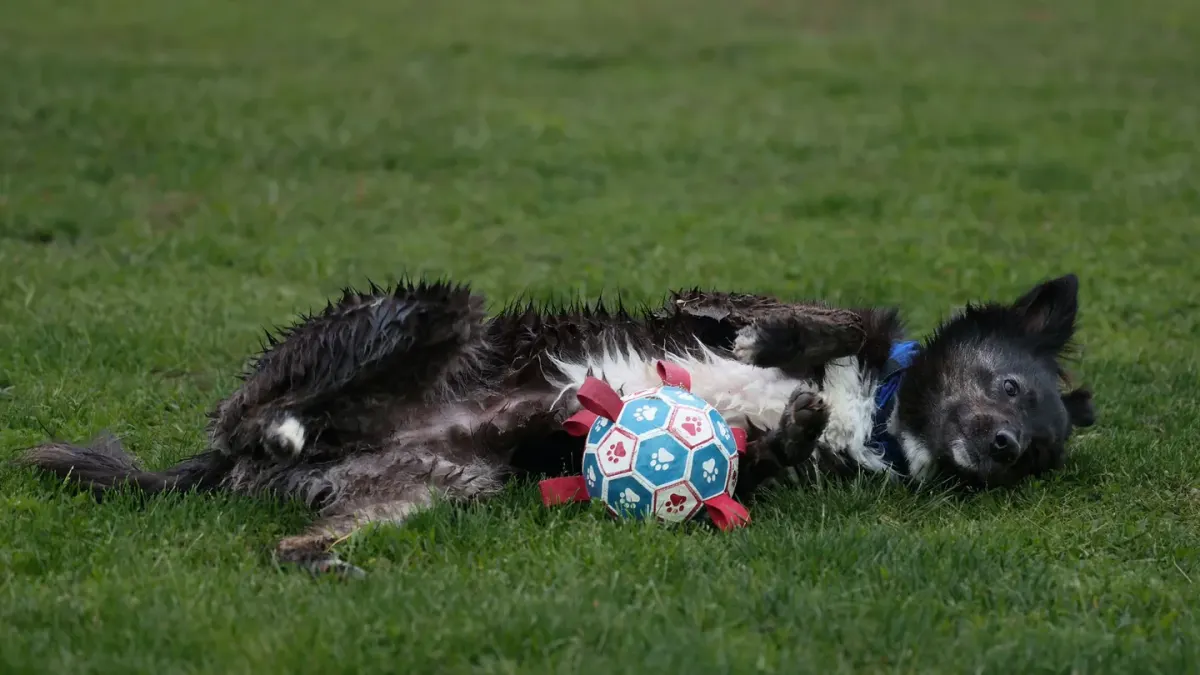
Picture a 16-week-old mixed-breed pup, about 22 pounds, in a small apartment kitchen at 6 p.m. Dinner is done, the owners are trying to eat their own dinner, and she starts orbiting the coffee table at full speed, mouth open, grabbing socks and growling at a squeaky toy. By day 10 of this pattern they are dreading evenings and wondering if they adopted the wrong dog. What changed everything was not more fetch. It was a ten-minute sniff-and-lick sequence before their dinner, then lights low and a frozen washcloth chew in the pen while they ate. The marker that mattered was concrete: on night three she lay down unprompted by 7 and sighed into sleep instead of spiraling until 9.
Why the evening turns feral
Puppies do not self-regulate like adult dogs. Sleep pressure builds, impulse control fatigues, and arousal spikes right when the house gets busiest. Add cooking smells, kids home, TV noise, and a second wind after dinner, and you get trigger stacking in miniature.
This is why a long, exciting evening walk or roughhouse play often backfires. It raises adrenaline and movement craving without teaching the brain how to power down. The American Veterinary Society of Animal Behavior emphasizes early experiences that build confidence through positive, low-stress exposure, and the same principle applies at night: keep the learning calm and winnable.
Think nervous system first. Sniffing, licking, and chewing activate slower, rhythmic patterns that may help support a shift from frantic to settled. Running, wrestling, and squeaky-toy frenzy do the reverse.
Give the brain a job before you ask for calm
I structure witching hour as a 20 to 30 minute runway, not a single activity. Movement first, nose second, mouth last.
Start with two to five minutes of easy movement with rules. Toss treats down a hallway for the pup to chase and find, practice two name-call recalls for cheese, or do slow cookie-stretches for body awareness. You want panting to stay easy and the tail to stay loose.
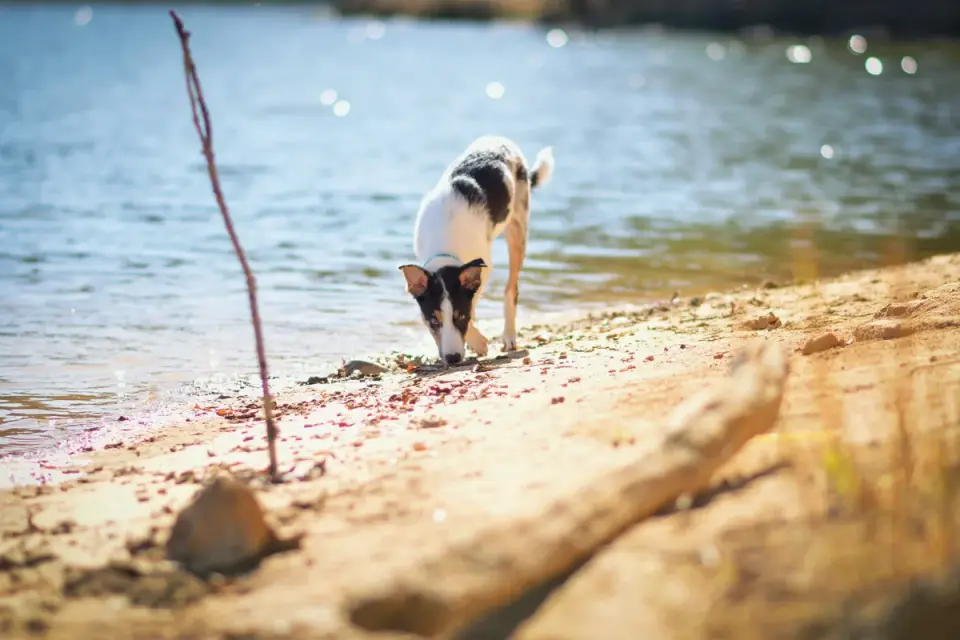
Then pivot fast to nose work. Scatter a quarter of dinner in grass or a snuffle mat, lay a three-box find-it game, or let the pup shred a paper bag stuffed with kibble. The Merck Veterinary Manual notes that dogs have routine needs for exploration, play, and mental engagement alongside rest, and evening sniffing checks that box without adding frenzy.
Finish with licking and chewing. A lick mat with thinned pumpkin, a frozen Toppl with soaked kibble, or a safe long chew in a pen gives the mouth something legal to do while arousal falls.
Our middle story is the tradeoff everyone tries. A four-month-old herding mix, 28 pounds, started getting a 45-minute evening dog-park trip to “get the energy out,” and three weeks in the witching hour got worse, not better. He came home panting, drank a bowl of water, then nipped harder and slept less. The owners felt guilty skipping the park, which made it harder to quit. When we swapped the park for a short sniff walk plus a frozen food puzzle at home, bedtime moved 40 minutes earlier within a week. More cardio had trained stamina and excitement around dusk. Less cardio plus nose work trained recovery.
For age detail by week, I often point owners to Age-Appropriate Enrichment for Puppies: What Actually Changes by Week so expectations match bladder and brain development.
Set the house the way you set the table
Enrichment fails when the environment keeps shouting. At 6 p.m., dim the overheads, lower the TV, put toys with squeakers away, and gate the racetrack behind the couch. Offer water, a potty break, then the pen or crate with the chew ready.
This is also where food therapy thinking helps me. In TCVM terms, evening is Yin time — cooling, quiet, inward. I favor small, moist, easy-to-digest licking foods over a big exciting biscuit hunt right before bed. The mechanism I am anchored to is straightforward: rhythmic licking and steady digestion pair with a quieter house to cue rest, rather than promising any cure for behavior.
Research on kennelled and pet dogs suggests varied enrichment that lets dogs sniff, chew, and problem-solve is linked with calmer behavior patterns, a theme reviewed in the National Library of Medicine enrichment review. I read that as support for rotation and choice, not for buying more gadgets.
If teething pain is amplifying the mouthiness, cold and texture matter more than flavor. See Frozen Toys for Teething Puppies: What Actually Helps (and What Can Crack a Tooth) before you freeze everything solid.
When calm still will not come
Some pups blow past tired into truly frantic. Panting that will not resolve, pupils huge, biting that breaks skin, zero interest in food. That is overstimulation, not disobedience.
Do not train through it. Shorten the runway, not lengthen it. Carry the pup calmly to a small, boring pen with a chew and a blanket over half of it. Sit nearby and breathe. No scolding, no chase to retrieve the stolen sock. Stillness from you teaches stillness faster than any cue.
Here is the edge case owners miss. A 12-week-old toy breed, just 9 pounds, looked “hyper” every night at 8 p.m., but the log showed she had napped only 40 minutes since noon because toddlers kept waking her. By day 5 of protected afternoon naps in a covered crate in a back bedroom, the evening biting dropped by half with no new toys added. The witching hour was a sleep-debt bill coming due, not an enrichment deficit. Puppies under six months often need 18 to 20 hours of sleep, so guard daytime rest as fiercely as you plan evening play. For help calibrating the daily total, check How Much Mental Enrichment Does an Adult Dog Need Daily? and scale down duration and difficulty for a baby brain.
The strongest counterargument to my calm-first plan is that some puppies genuinely need more vigorous exercise in the evening, especially athletic adolescents. Fair point. A sporting or herding pup denied all outlets will invent worse ones. My answer is timing and order. Put the bigger run or play session in late afternoon, keep dusk for nose and mouth work, and watch sleep latency as your outcome. If your pup settles within 20 minutes after the routine, you dosed it right.
You will know it is working when the hour shrinks. Less barking at shadows, faster flop onto the mat, softer mouth. Oh, and genuine excitement over good food still counts — flip that treat bag over, check the ingredients, and use real nutrition as part of the plan. A settled evening is earned one sniff, lick, and nap at a time.
Frequently asked questions
What time is puppy witching hour?
Most often between 6 and 9 p.m., after dinner when household activity peaks and daytime tiredness stacks up. Track bedtime and biting for a week to find your pup's window.
Should I walk my puppy to tire out the witching hour?
A short sniff walk can help, but a long exciting walk or park trip often makes evenings wilder. Try easy movement, then nose work and a lick or chew puzzle.
How long should evening enrichment last?
Aim for a 20 to 30 minute runway of movement, sniffing, then chewing, followed by dim lights and quiet rest. If your pup cannot settle within 20 minutes, shorten and simplify the next night.
Sources
- Position Statements — American Veterinary Society of Animal Behavior
- Environmental Enrichment for Kennelled Dogs Review — National Library of Medicine