Hemp Oil Versus CBD Oil for Dogs: What the Bottle Actually Contains
Medically reviewed by Betsy Hershey, DVM, DACVIM (Oncology), CVA — For general education — not a substitute for veterinary care.
Hemp oil feeds your dog's coat and skin; CBD oil targets the endocannabinoid system, and only one of them has a dosing study behind it.
On this page
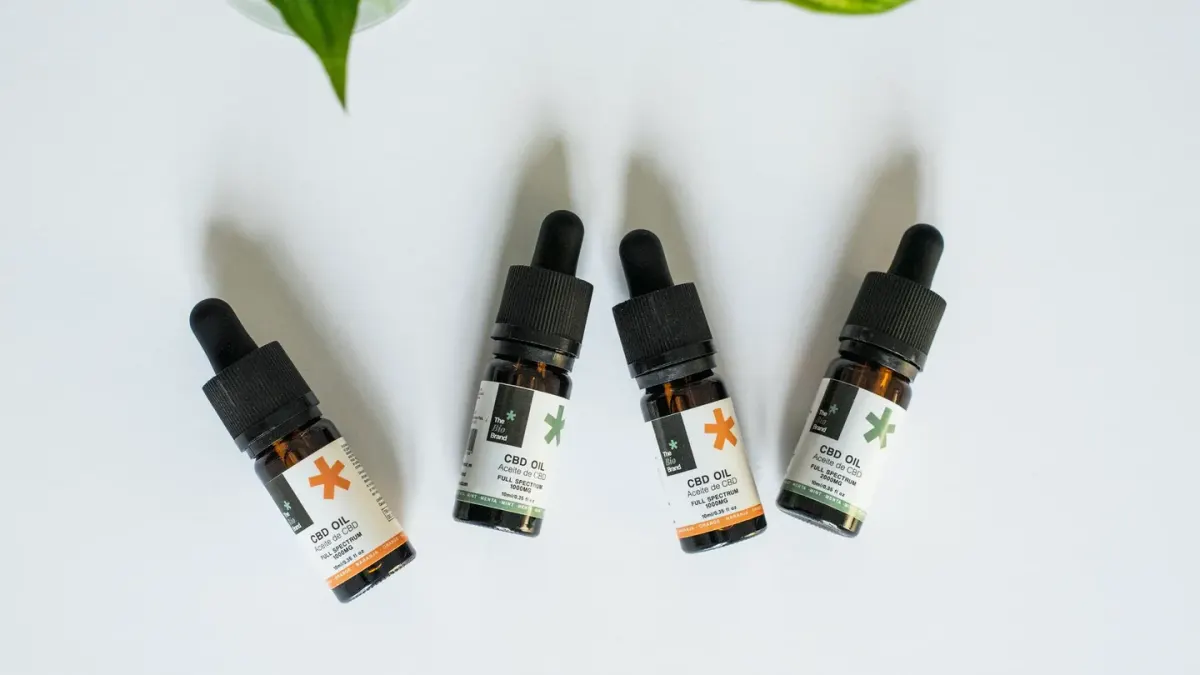
A fourteen-year-old golden retriever named Percy sat on my exam table while his owner set two bottles down next to him — one labeled “hemp oil,” one labeled “full-spectrum CBD.” She’d bought both on the same shopping trip, assumed they did the same thing, and wanted to know which one to actually give him for his arthritis flare-ups. I’ve had this exact conversation more times than I can count. They are not interchangeable, and the confusion is understandable — both come from the same plant, both show up in identical-looking amber dropper bottles, and both get marketed with nearly the same calm, wellness-forward language.
What’s actually in each bottle
The distinction comes down to plant anatomy, not marketing. Hemp seed oil is pressed from the seeds of Cannabis sativa, which contain essentially no cannabinoids — no CBD, no THC. What you’re getting is a nutritional oil: a favorable ratio of omega-6 to omega-3 fatty acids, plus vitamin E, that supports skin barrier function and coat quality the way a fish oil or flaxseed supplement would. CBD oil, by contrast, is extracted from the flowers, leaves, and stalks of the hemp plant, where cannabinoids concentrate. It’s formulated specifically to deliver cannabidiol, a compound that interacts with the body’s endocannabinoid system — a receptor network involved in modulating pain signaling, inflammation, and mood. Federally compliant hemp-derived CBD products are required to stay under 0.3% THC by dry weight, which keeps them non-intoxicating for your dog.
So when a label just says “hemp oil” with no cannabinoid content listed on the guaranteed analysis, you should assume it’s the seed-oil version — a fatty-acid supplement, not a cannabinoid one. If the label lists milligrams of CBD per serving, you’re holding something pharmacologically different, and it deserves to be dosed differently too.
Why I lean toward CBD when the goal is comfort, not coat

I pair rigorous cancer-care evidence with whole-patient support, and that habit doesn’t turn off just because a case isn’t oncologic. For a dog like Percy — older, arthritic, losing ease getting onto the couch — hemp seed oil isn’t going to touch the pain signaling that’s making him hesitate at the stairs. It may help his coat stay glossy and support normal skin barrier function, which matters, but it isn’t built for the job his owner actually wants done.
CBD has an actual dosing study behind it in dogs, which hemp seed oil does not. A Frontiers in Veterinary Science trial out of Cornell gave sixteen osteoarthritic dogs 2 mg/kg of CBD oil every twelve hours for four weeks against a placebo, and veterinary assessment showed a statistically significant reduction in pain scores, with owners reporting increased comfort and activity in more than 80% of dogs on CBD. The same study also flagged a real caution: serum alkaline phosphatase rose during CBD treatment, which is why any dog starting CBD — especially an older one, especially one already on NSAIDs — needs baseline and follow-up bloodwork, not just a bottle handed over at checkout.
The strongest counterargument, and I take it seriously, is that the evidence base here is still thin. This is one placebo-controlled trial with sixteen dogs, not a body of literature, and the American Veterinary Medical Association has been explicit that there isn’t yet enough clear scientific evidence to confirm hemp-derived products are broadly safe or effective across conditions and doses. I don’t dismiss that caution — I share it with owners directly. But “not enough evidence to make a blanket claim” is different from “no evidence at all,” and for a dog whose quality of life is visibly narrowing, one well-designed dosing study with monitored bloodwork is more than most joint supplements on the shelf can claim. That’s where I land: CBD, used at a studied dose, with liver-value monitoring, may help support comfort and normal mobility in an arthritic dog — never framed as a cure, always as one part of a broader plan that still includes weight management, appropriate exercise, and — where relevant — arthritis-vs-normal-aging differentiation from your vet first.
Reading the label before you decide either way
A short paragraph, because this part is simple: check whether the certificate of analysis is public.
Whichever oil you’re considering, the label should tell you what’s actually inside. For hemp seed oil, look for the fatty-acid breakdown and confirm it’s cold-pressed rather than a diluted carrier oil. For CBD oil, the label needs milligrams of CBD per milliliter or per serving, not just “hemp extract,” and it should reference a batch-specific certificate of analysis confirming both cannabinoid content and that THC stays under the 0.3% federal threshold. Products carrying the dvm360: NASC quality seal have passed an independent audit and random third-party testing, which is a meaningfully higher bar than a company simply printing “lab tested” on its own packaging.
I’ve watched this play out with owners who bought whichever bottle was cheaper or prettier, not realizing they’d chosen a coat supplement when what their dog needed was a cannabinoid dosed against an actual pain response — or the reverse, spending CBD-oil money on a young, healthy dog whose skin and coat would have done just as well on a simple fatty-acid supplement. The fix isn’t complicated once you know what to check: flip the bottle, read past the front label, and match the product’s actual contents to what your dog needs it to do. If pill burden or a picky eater is part of the equation, it’s also worth thinking about format — the tradeoffs between a chew, powder, or liquid delivery apply just as much to hemp and CBD products as they do to any other supplement category, and a freeze-dried versus powder format question is worth asking before you commit to a bottle your dog won’t reliably take.
Where this leaves you and your dog
Percy’s owner left with a plan: hemp seed oil stayed in the cabinet for his coat, and we started a CBD product with a public certificate of analysis at a vet-guided dose, with bloodwork scheduled at six weeks. That’s not a dramatic verdict, but it’s an honest one. Hemp oil and CBD oil solve different problems, and the dog in front of you should tell you which problem you’re actually solving. As more controlled trials come out — and I expect they will, given how fast this category is moving — the dosing guidance will get sharper than the single Cornell study we have today. Until then, match the product to the question you’re actually asking, monitor bloodwork when cannabinoids are involved, and don’t let a shared plant of origin convince you two different bottles do the same job.
Frequently asked questions
Can I give my dog hemp oil and CBD oil at the same time?
They serve different purposes — a fatty-acid coat supplement versus a cannabinoid targeting pain and inflammation — so combining them isn't inherently unsafe, but any product containing CBD should be introduced with veterinary guidance and baseline bloodwork, particularly if your dog already takes other medications.
Will hemp oil show up on a drug test or make my dog high?
No. Hemp seed oil contains no meaningful cannabinoids, and federally compliant CBD oil is capped under 0.3% THC by dry weight, which is not enough to produce intoxicating effects in dogs.
How do I know if a CBD product for dogs is actually safe?
Look for a batch-specific certificate of analysis confirming cannabinoid content and THC compliance, and prioritize products carrying the NASC quality seal, which requires independent audits and random third-party testing.
Sources
- Pharmacokinetics, Safety, and Clinical Efficacy of Cannabidiol Treatment in Osteoarthritic Dogs — Frontiers in Veterinary Science
- Cannabis: What Veterinarians Need to Know — American Veterinary Medical Association
- Hemp-seed Based Pet Products Receive NASC Quality Seal — dvm360