Human Elderberry Gummies vs a Dog Immune-Support Supplement
Skip the human elderberry gummies — the sweetener risk isn't worth it, and dog-formulated immune support does the same job safer.
On this page
Check the label before your dog gets anywhere near your gummies. That’s the whole first move, and it’s the one most owners skip because the bottle is already open on the counter and the dog is already staring at it.
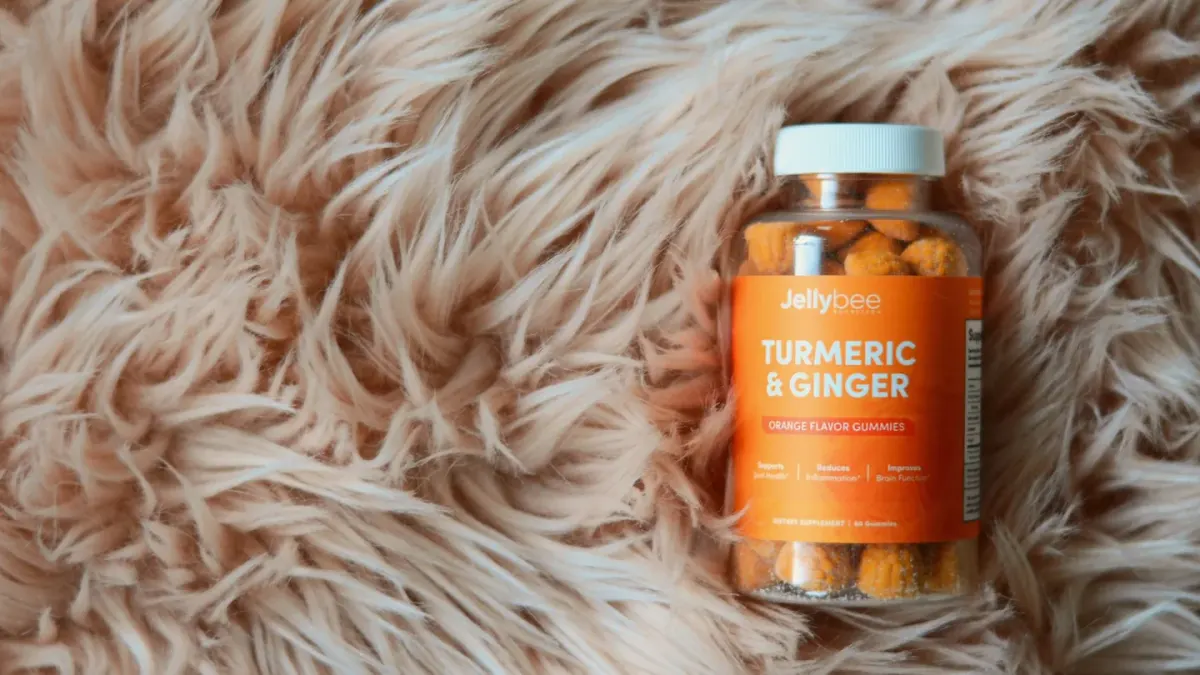
Start there because it settles the question fast: flip the bottle over and read the inactive ingredients, not just “elderberry extract” on the front. If you see xylitol, birch sugar, or “sugar alcohol” anywhere in that list, put the bottle away and don’t look back — that ingredient alone ends the conversation for a lot of human supplements, gummies especially.
In my practice I’ve had this exact conversation more times than I can count. A client came in a few winters back with a fourteen-pound mini schnauzer named Gus, ten years old, who’d gotten into her purse and eaten four of her sugar-free elderberry immune gummies while she was on a work call. She didn’t think much of it — “it’s just berries and vitamin C” — until Gus started vomiting about forty minutes later, then went wobbly on the kitchen floor. That’s the hypoglycemia pattern you worry about with xylitol, and it moves fast in a small dog. We got him in, ran bloodwork, and he pulled through with IV dextrose and monitoring, but it was a closer call than it needed to be, and it happened because a “natural” supplement had an ingredient nobody thought to check.
What’s actually inside a bottle of human elderberry gummies
Elderberry itself, the Sambucus fruit, isn’t automatically a problem in small amounts — but the raw plant is a different story, and it’s worth being precise here rather than lumping it all together. According to Pet Poison Helpline, elderberry plants contain cyanogenic glycosides in the leaves, stems, bark, and unripe berries, compounds that release cyanide when metabolized — ingestion of the raw plant material has caused toxicity in dogs. Commercial elderberry gummies use processed, cooked extract, which is a very different exposure than a dog chewing on the shrub in your backyard. So the plant itself isn’t the primary danger in a bottle of gummies. The sweetener is.
Most sugar-free human gummies lean on xylitol to hit their calorie or sugar-free claim, and that’s the ingredient that actually sends dogs to the emergency room. The ASPCA is blunt about the scale of it: xylitol toxicity reports have Xylitol: The Sweetener That Is Not So Sweet for Pets: more than doubled since 2007, and it can cause a rapid, dangerous drop in blood sugar along with liver injury, depending on the dose relative to the dog’s size. A few grams of xylitol can be a real problem for a ten-pound dog and barely register in a Labrador — dosing by body weight is the whole game with sweeteners, and it’s exactly what a human product was never formulated to account for.
Even the “safe” gummies without xylitol still carry pectin, added sugars, citric acid, and flavoring compounds dosed for a 150-pound adult, not a 30-pound dog. None of that is necessarily dangerous in a single gummy. But it’s also not doing your dog any favors, and it’s not why you picked up an immune supplement in the first place.

Where a dog-specific immune supplement earns its place
A properly formulated dog immune-support product is doing three things a human gummy was never asked to do: dosing by weight bracket, dropping the sweeteners that cause harm, and often building in ingredients with actual canine research behind them rather than borrowing whatever’s trendy in the human wellness aisle. That’s not marketing — it’s the practical difference between a product built for a 12-pound terrier and one built for a 170-pound man.
The credential worth checking is the PetMD: NASC quality seal. It doesn’t promise the supplement will work — no seal can promise that — but it does mean the company submitted to an independent audit of manufacturing practices, ingredient sourcing, and label accuracy, so what’s on the bottle is more likely to match what’s actually in it. That’s a meaningfully higher bar than most human gummy brands clear, because human supplements aren’t held to the same label-accuracy audit at all.
If you’re comparing delivery formats once you’ve settled on a dog-specific product, the tradeoffs between a chew, powder, or liquid supplement are worth understanding too — palatability and pill burden are real factors, especially for a dog who won’t take anything that isn’t wrapped in peanut butter. And if freshness or potency loss is a concern with any chew-format product, the differences between freeze-dried and powder formats matter more than most labels let on.
I’ll say honestly: the research on most “immune support” ingredients in dogs, elderberry included, is thinner than the marketing suggests. There isn’t a large, well-controlled canine trial I can point to that proves elderberry extract meaningfully boosts immune function in dogs the way some human studies suggest it might in people. I’m not going to pretend otherwise just to make a tidier argument. What I can say with confidence is narrower and more useful: a dog-formulated product without xylitol, dosed to your dog’s weight, is the lower-risk choice regardless of how strong the immune-support evidence turns out to be.
The counterargument, and why I still land where I do
The fair pushback is this: plenty of dogs eat a stray human gummy off the counter and are completely fine. That’s true, and it’s worth naming honestly rather than waving off. A single sugar-free gummy from a small dose of xylitol in a 70-pound dog is unlikely to cause the crash we saw with Gus. Size and dose matter enormously, and one accidental gummy is not the same emergency as a whole bottle.
But “usually fine” isn’t the standard I use with clients, and it’s not the standard I’d use with my own dog. The point of a supplement is to give it regularly, not once — and a daily habit built on a product with an unpredictable, dog-inappropriate sweetener is a habit I’d rather not start. If a client is already reaching for their own supplement out of convenience or cost, that’s a real, practical constraint, and I don’t dismiss it. It’s also exactly the situation where switching to a dog-formulated product removes the guesswork entirely instead of asking you to audit every batch of gummies for a sweetener swap the manufacturer might make without notice.
The owners I see most often aren’t trying to cut corners — they’re just assuming “supplement is a supplement,” and nobody told them the sweetener aisle is where the actual risk lives. Once they know that, the decision tends to make itself.
What I’d actually do with the bottle in front of me
If you already have a bottle of human elderberry gummies in the cabinet and you’re wondering whether to just use those for your dog: don’t, if there’s any sugar-free or “reduced sugar” claim on the label, because that’s your xylitol flag. If the gummies are plain sugar-sweetened with no sugar alcohols, an occasional single gummy is unlikely to hurt a mid-size or large dog, but it’s still not dosed for them and it’s not going to substitute for a real immune-support product.
For anything you intend to give routinely, buy a dog-specific supplement, ideally one carrying the NASC seal, and dose it to your dog’s actual weight rather than eyeballing a fraction of the human serving. That’s a five-minute label check that prevents the kind of Saturday-night emergency-vet trip nobody plans for.
Looking ahead, I’d like to see more head-to-head canine research on elderberry specifically, because right now the ingredient rides on borrowed human data more than it should. Until that changes, my recommendation stays the same: skip the shared bottle, pick the dog-formulated one, and don’t let a convincing front label do the thinking your dog’s kidneys and liver would otherwise have to do.
If a dog you know does get into a bottle of sugar-free gummies, don’t wait and watch — the ASPCA’s guidance on Help! My Dog Just Ate Some Gummies! What Do I Do?: gummy ingestion is a good first read while you’re calling your vet or animal poison control.
Frequently asked questions
Can my dog have a small piece of my sugar-free elderberry gummy?
I wouldn't risk it. Sugar-free gummies frequently use xylitol, which is dangerous to dogs even in small amounts relative to their body weight, and it can cause a rapid blood sugar crash. If the label says "sugar-free" or "reduced sugar," treat it as off-limits.
What should I do if my dog already ate several of my elderberry gummies?
Check the label for xylitol or any sugar alcohol immediately, and call your vet or an animal poison control line right away rather than waiting for symptoms — with xylitol, signs can move fast and treatment is far more effective started early.
Is elderberry itself toxic to dogs?
The raw plant — leaves, stems, bark, and unripe berries — contains compounds that can release cyanide and has caused toxicity in dogs. Processed elderberry extract in commercial gummies is a different, much lower-risk exposure, but it's still not formulated or dosed for a dog.
Sources
- Is Elderberry Safe for Dogs? — Pet Poison Helpline
- Xylitol: The Sweetener That Is Not So Sweet for Pets — ASPCA
- What is NASC? (National Animal Supplement Council) — PetMD
- Help! My Dog Just Ate Some Gummies! What Do I Do? — ASPCA