Rebuilding Dog Gut Flora After A Bout Of Vomiting
After vomiting settles, how to rehydrate, refeed, and support normal gut flora with food therapy, fiber, and probiotics — without overdoing it.
After vomiting stops, slow water, bland meals, and gentle fiber may help support normal digestion while flora steadies.
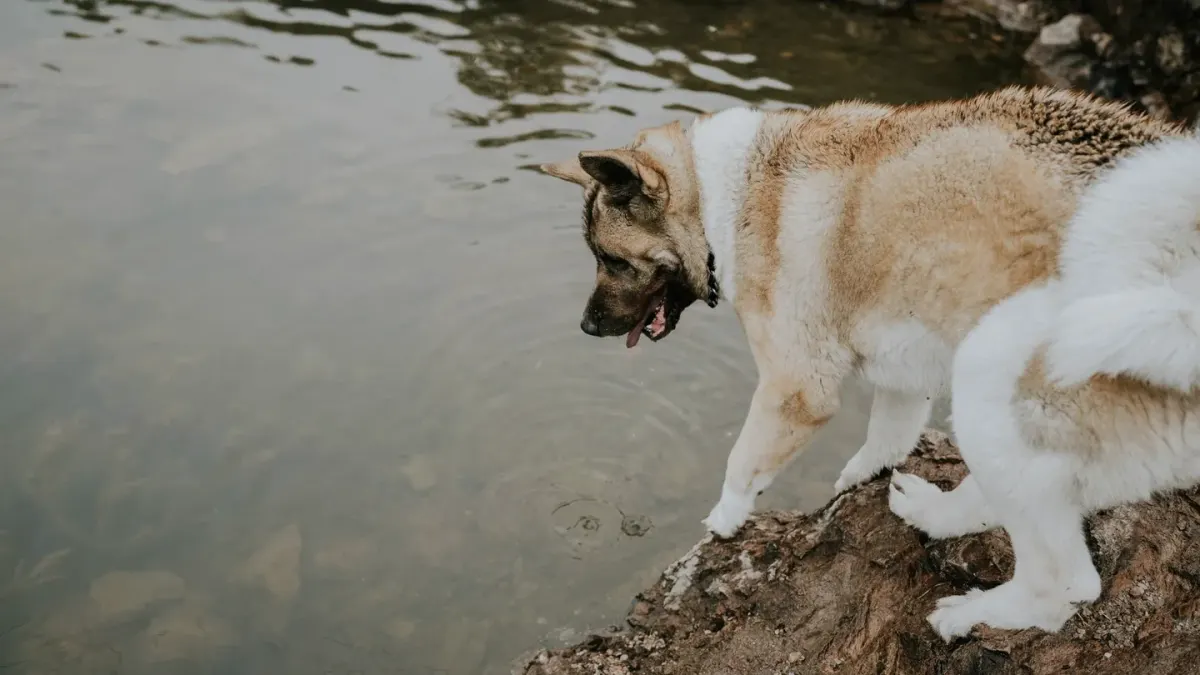
The quiet after a vomiting episode is almost worse than the mess, because you are watching the water bowl and wondering what rebuilding dog gut flora after a bout of vomiting should actually look like.
A four-year-old, 52-pound Lab mix vomited three times on a Sunday night after stealing trash, then refused breakfast Monday and just sipped water and stared at his bowl by day 2 when his owner called to ask whether to fast him, feed him, or start a probiotic right away. That question is the whole decision in miniature, because the gut lining and its microbes do not need sterilizing or reseeding so much as they need calm fluids, small digestible meals, and time for normal motility to return. Vomiting empties the stomach, but it also pauses normal intake, shifts fluids, and briefly changes what fuel reaches the lower gut, which is why appetite and stool can stay odd for a day or two after the stomach settles.
Vomiting starts upstream, while flora lives mostly downstream. Stomach acid, bile, pancreatic secretions, and coordinated contractions move food forward, and the dense microbial community in the colon ferments what is left over, particularly fiber, into short-chain fatty acids that may help support normal colon cells and stool form. A short fast or one bad night does not wipe that community out, though reduced intake and dehydration can slow transit and make the next few stools soft, mucusy, or skipped entirely. That mechanism matters because it reframes the job from replacing everything to restoring flow and fuel.
What settling looks like before you add anything
For a single mild episode with a dog that stays bright, keeps water down, and wants food within 12 to 24 hours, most veterinarians describe a short rest period, then small sips and small bland meals. Acupuncture in TCVM terms may help support settled stomach movement and calm, food therapy in the form of warm, plain, low-fat meals may help support comfortable digestion, and Tui-na with light abdominal rest may help support relaxed gut motility, and none of those replaces fluids or veterinary care when vomiting repeats. Call your veterinarian promptly for repeated vomiting, blood, abdominal pain or bloating, lethargy, suspected toxin or foreign body, puppies or seniors that dehydrate quickly, or any dog that cannot keep water down.
My failed-approach story still stings. A six-year-old, 18-pound terrier mix vomited twice after a rich new chew, and by day 3 her well-meaning owner had layered pumpkin, yogurt, kefir, two probiotics, and a digestive enzyme powder all at once to fix soft stool faster. The stool got looser, not firmer, and we could not tell which ingredient disagreed with her because everything changed on the same day. Pulling back to water, one simple bland diet, and a single gentle fiber source steadied her within 48 hours, which taught me that stacking gut products after vomiting often creates the very noise owners are trying to quiet.
Feeding and fluids that let microbes refuel
Once vomiting has stopped and your veterinarian agrees to home care, offer water in small frequent amounts rather than a huge bowl at once, then reintroduce food as small frequent meals of something bland and low-fat for a day or two before transitioning back to the regular diet over several days. Food therapy here is practical rather than exotic: warm water added to food, modest portions, and a slow return to normal fat and variety may help support normal appetite and stool consistency. Herbs selected by a trained veterinarian may help support balanced digestion during recovery, though the foundation remains hydration and digestible calories, not botanicals.
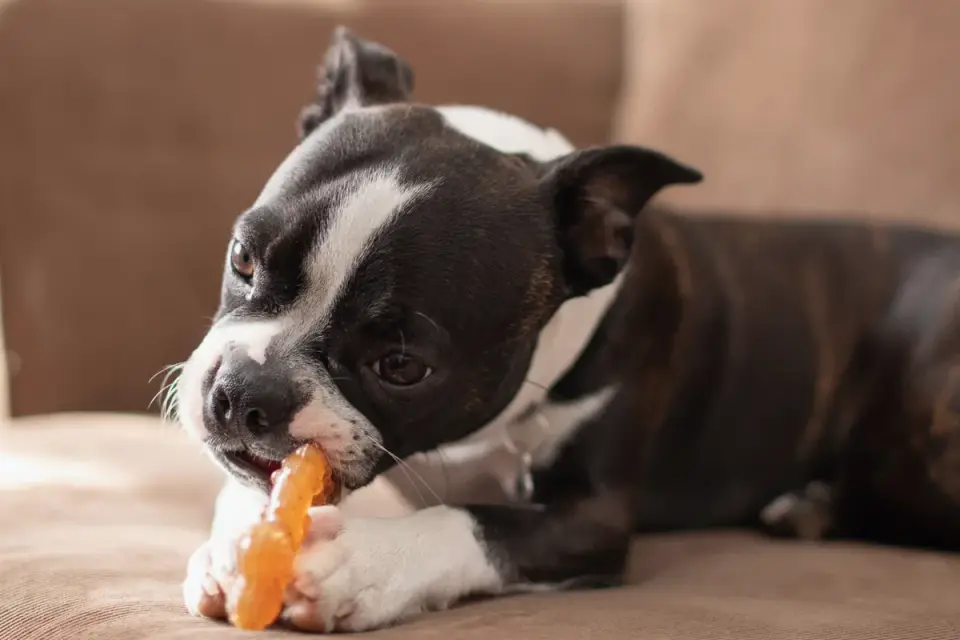
Fiber is the bridge back to normal flora because resident microbes use it as fermentable fuel. Pumpkin fiber is a gentle, natural source of both soluble and insoluble fiber, and that distinction is useful: soluble fiber feeds fermentation and stool bulk, while insoluble fiber adds structure to transit. Keep the amount small, about a teaspoon for a little dog up to a tablespoon or two for a large dog mixed into bland food, and stop escalating if gas or looseness worsens. Too much fiber can loosen stool as easily as too little, a tradeoff explained well in Yes, You Can Give a Dog Too Much Fiber — Here’s Where the Line Is, and the same caution applies to rich toppers, raw swaps, and sudden diet changes covered in Dog Stomach Upset After Switching to Raw Food: What’s Normal, What’s Not.
Probiotics fit after rehydration and refeeding, not before. A balanced gut microbiome supports overall immune function, which is a structure/function way to say these communities are part of whole-patient balance rather than a quick cure for vomiting itself. Look for a named strain, a guaranteed CFU count through expiration, and a simple label without a pile of extras, then give one product at a time for several days so you can judge stool, appetite, and energy. The evidence is still humbling: in one canine trial, Diversity metrics did not distinguish non-responders from responders, as reported in Frontiers in Veterinary Science, which is why I treat probiotics as something that may help support normal digestion rather than proof that flora has been rebuilt.
Digestive enzymes are a different tool and usually not the next step after simple vomiting. Enzymes do a proven job in one specific disease: EPI is treated by pancreatic enzyme replacement therapy, nutritional management (low-residue diets with moderate fat content), and supplementation of cobalamin, according to JAVMA. Outside that diagnosis, sprinkling enzymes on food after a stomach bug is often just powder in a jar, a point made plain in Digestive Enzymes for Dogs: When They Actually Do a Job, and When They’re Just Powder in a Jar. Persistent dysbiosis can also linger in true pancreatic disease, since Future studies are needed to further understand the causes of persistent dysbiosis in animals with EPI following initiation of pancreatic enzyme replacement therapy and assess the efficacy of treatments to ameliorate these abnormalities, which reinforces why ongoing loose stool after vomiting deserves a veterinary workup rather than another supplement.
The edge case I watch for is the dog that looks recovered but is not. A nine-year-old, 64-pound Shepherd mix vomited once after boarding, ate bland food eagerly for three weeks, yet by day 10 his owner noticed gradual weight loss, greasy yellowish stool, and a coat that looked dull despite a good appetite. That pattern points away from simple post-vomiting flora wobble and toward maldigestion or malabsorption that needs testing, not more pumpkin or a stronger probiotic. Senior dogs, dogs with prior pancreatitis or liver disease, and any dog with vomiting plus diarrhea, weight loss, or poor energy should be rechecked rather than managed on bland food alone.
So where do I land? I prioritize water first, then small bland meals, then one gentle fiber and one well-labeled probiotic if stool stays soft, with acupuncture to may help support calm gut movement, food therapy to may help support digestible nourishment, herbs only under veterinary direction to may help support digestive balance, and Tui-na to may help support whole-body comfort and mobility during recovery. The strongest counterargument is to give probiotics immediately and in multiples to replace what vomiting supposedly flushed away, but the gut is not an empty tank, diversity responses vary by individual, and layering products obscures what is actually helping. What if the kindest rebuild is also the dullest one?
Sources
- Persistent Dysbiosis in Exocrine Pancreatic Insufficiency Review — JAVMA
- Gut Microbiome Diversity and Probiotic Response in Dogs — Frontiers in Veterinary Science