Traveling With a Small Dog vs a Large Dog: What Actually Changes
Traveling with a small dog and a large dog demands different planning long before you pack the car.
On this page
The question I get, almost word for word, is some version of “which one is actually easier to travel with?” Owners of small dogs assume the answer is obviously them. Owners of large dogs assume they’re at a disadvantage before they’ve even packed the car. Neither assumption holds up once you look at what actually goes wrong on trips.
I had a family in my exam room two summers ago planning a move from Ohio to Arizona — a 9-pound Chihuahua mix named Pepper, age 11, and a 74-pound yellow Lab named Duke, age 4. They wanted one packing list for both dogs. I told them they’d need two. Pepper’s risk was heat and anxiety in a small hard-sided carrier through desert rest stops in July. Duke’s risk was a loose 74 pounds of dog becoming a projectile in a rear-end collision, plus finding hotels that would take a dog his size at all. Same road trip, genuinely different plans.
Restraint Isn’t Optional at Either Size — the Method Just Differs
Here’s what I tell every client first, before we talk carriers or crates: an unrestrained dog in a moving car is a hazard to itself, to you, and to anyone it lands on if you brake hard. That’s true at 9 pounds and at 90. The Pet safety in vehicles: American Veterinary Medical Association is explicit that it’s unsafe for pets to ride loose in a vehicle, and that the back seat — properly restrained in a crate, carrier, or crash-tested harness — is the safest place for a dog to travel, never the front seat, because airbag deployment force can seriously injure or kill a pet.
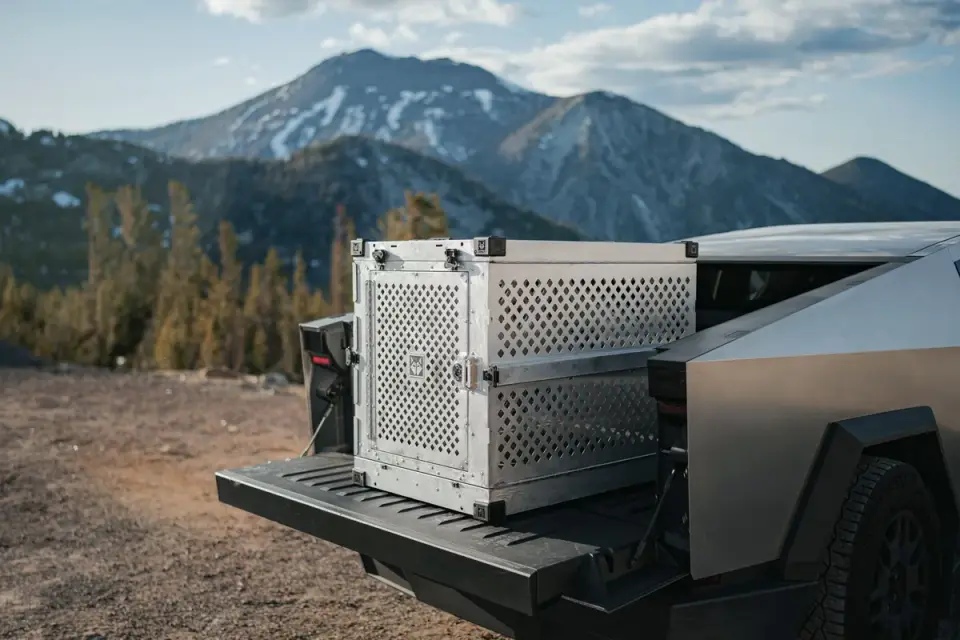
What changes by size is which restraint is practical. A small dog can ride in a secured hard-sided or soft carrier positioned low and centered in the back seat. A large dog usually needs a full-size crash-tested crate or a properly fitted vehicle harness rated for their weight, because there isn’t a carrier built for a 70-pound body that a person can also lift and secure alone. If you’re flying rather than driving, the carrier requirements get more specific — see our guide on what “airline-approved” actually means for a dog carrier before you buy anything.
Where the Small Dog Actually Struggles
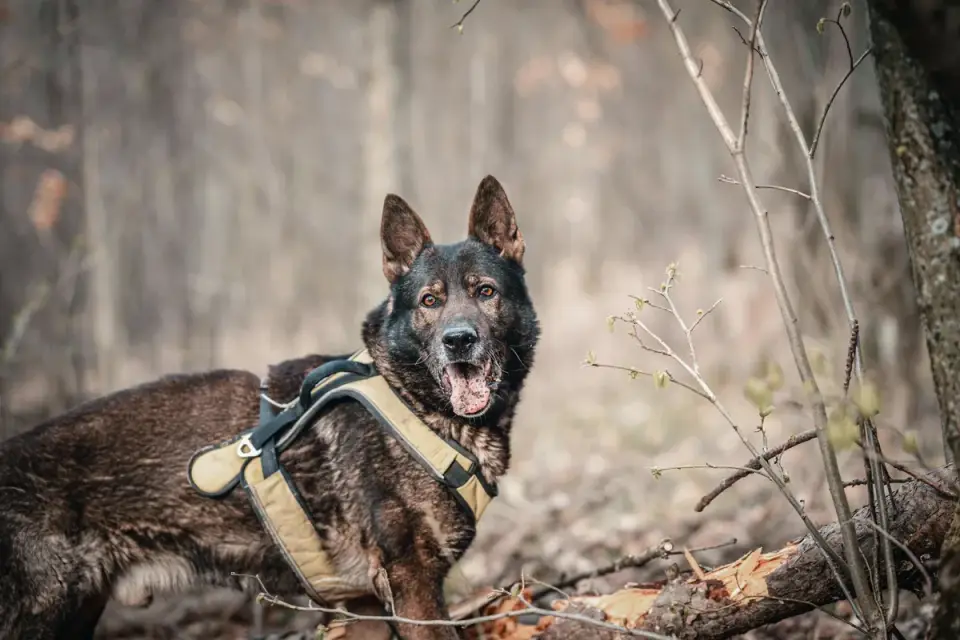
Small dogs get called “easier travelers” mostly because they fit in more places — under an airline seat, on a lap at a rest stop, into a hotel room without a size cap. I don’t dispute the logistics. What I push back on is the assumption that small automatically means low-risk.
Toy and small-breed dogs run hotter, proportionally, than they look. A carrier sitting in direct sun at a gas station, or tucked against a car door with the AC vent blocked, can climb in temperature fast, and a dog that age 8 or older, or with any airway limitation, has less reserve to cool itself down. Anxiety is the other piece. Small dogs are more likely to be handled, picked up, and passed around by strangers at rest stops and security lines, and repeated stranger handling is a common anxiety trigger I hear about from owners well before a trip is even booked. If your dog is anxious about routine handling at home, work on that months ahead, not the week before departure — our guide to exercise for small and toy breeds has structured ways to build tolerance and stamina before a trip, which also helps with car-ride restlessness.
Where the Large Dog Actually Struggles
Duke’s problems on that Ohio-to-Arizona trip were almost the mirror image of Pepper’s. Nobody was going to pick him up and carry him into a hotel lobby against his will, so his restraint had to hold on its own. Large-breed crates take up most of a car’s cargo area, which meant the family had to choose between Duke’s crate and their luggage — they chose the crate, and shipped a box of belongings instead. And weight limits bite hard: several hotel chains and most airlines cap in-cabin travel around 20 pounds, which puts any dog Duke’s size into cargo or out of the trip entirely if they fly. That single fact reshaped their whole itinerary from flying to driving.
If air travel is even a possibility for your trip, read the requirements before you book, because the rules diverge sharply by dog size and by airline — our complete guide to flying with a dog walks through cabin versus cargo eligibility in detail. Crossing a state line or the U.S. border also usually means a health certificate from an accredited veterinarian; USDA APHIS requires this certificate be issued within a set window before departure and, for international travel, endorsed by a federal office — a step owners of both small and large dogs forget until a week before departure, when it’s too late to fix.
The Recommendation I Actually Give
If you make me pick one universal rule across every size of dog I’ve counseled through a move or a long trip, it’s this: plan the restraint and the climate control before you plan anything else, and don’t let the dog’s size talk you out of either.
I had a second case that sticks with me — a client with two dogs, a 6-year-old, 65-pound Golden Retriever and a 4-pound Yorkie, driving from Texas to a family wedding in June. The Golden was calm and had ridden loose on the back seat for years without incident, and the owner almost skipped the harness for that trip because “he’s never been a problem.” I asked her to run the harness anyway, because past good behavior doesn’t change what happens physically in a sudden stop. The Yorkie’s issue was different: the owner planned to keep him in her lap through most of the drive for comfort, and we spent the visit talking through a secured carrier instead, because a small dog in a lap during a crash has nowhere to go but into the windshield or the airbag.
Small dogs are not the “easy” default and large dogs are not automatically the harder trip — they’re different risk profiles that both deserve real planning. Restraint, temperature management, and paperwork timing matter at every weight; only the specific gear and logistics change.
Key Takeaways
- An unrestrained dog is unsafe in a moving vehicle regardless of size — the American Veterinary Medical Association recommends a secured crate, carrier, or crash-tested harness in the back seat, never loose or in the front.
- Small dogs face higher relative heat and handling-anxiety risk; large dogs face crate-space and airline weight-limit constraints.
- Book flights and hotels around your dog’s actual size class, not a general assumption about which size travels “easier.”
- If you’re crossing state or international lines, confirm health certificate timing with USDA APHIS well before departure — endorsement windows are strict.
- Practice handling and carrier or crate time well ahead of the trip, especially for anxious small dogs or large dogs unused to confinement.
FAQ
Q: Is a small dog genuinely safer to travel with than a large dog? A: Not automatically. A common question owners ask is whether size alone determines travel risk, and the honest answer is no — small dogs carry more heat and handling-anxiety risk, while large dogs face crate-space and weight-limit constraints. Both need a real restraint and climate plan.
Q: Do all dogs need a crash-tested restraint, even calm ones? A: Yes. Past good behavior in the car doesn’t change the physics of a sudden stop, and the Traveling with your dog or cat guidance from the AVMA treats restraint as a baseline for any road trip, not an optional add-on for anxious dogs.
Frequently asked questions
Is a small dog genuinely safer to travel with than a large dog?
Not automatically. A common question owners ask is whether size alone determines travel risk, and the honest answer is no — small dogs carry more heat and handling-anxiety risk, while large dogs face crate-space and weight-limit constraints. Both need a real restraint and climate plan.
Do all dogs need a crash-tested restraint, even calm ones?
Yes. Past good behavior in the car doesn't change the physics of a sudden stop, and the AVMA's traveling-with-your-dog guidance treats restraint as a baseline for any road trip, not an optional add-on for anxious dogs.
Sources
- Pet safety in vehicles — American Veterinary Medical Association
- Traveling with your dog or cat — American Veterinary Medical Association
- Pet Travel Process Overview — USDA APHIS