What Is a Snuffle Mat for Dogs, and How Does It Actually Work?
A snuffle mat is a treat-hiding fabric mat that turns mealtime into a slow, nose-led search for dogs.
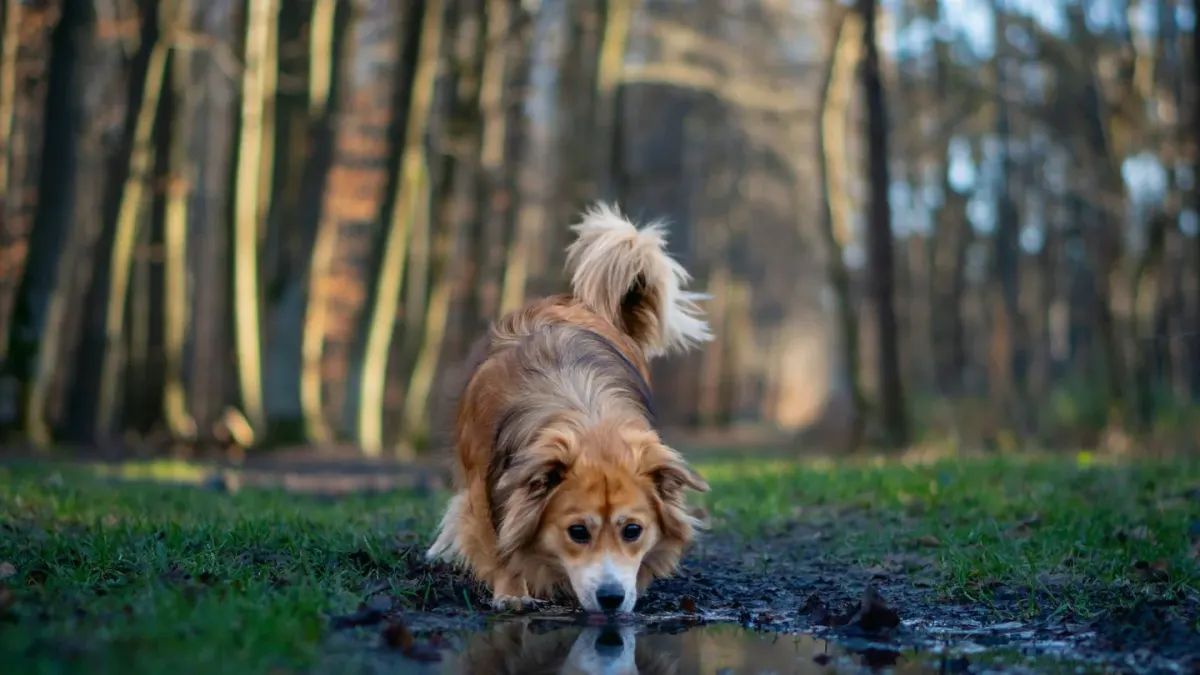
On this page
A woman sat on her kitchen floor last winter with her fourteen-year-old terrier mix, Mabel, who had started pacing after dinner instead of settling on her bed the way she had for a decade. Mabel wasn’t in pain, as far as the workup showed. She was bored in a way her body couldn’t quite name, and her owner was worn thin from watching it. That’s usually the moment a snuffle mat comes up in my exam room — not as a toy, but as a small, doable job for a dog whose mind has outpaced her legs.
Quick take, before the explanation:
- A snuffle mat is a textured fabric pad with folds, flaps, or pockets where you hide kibble or small treats.
- The dog has to sniff and root through the fabric to find each piece, which slows eating and engages scent-driven foraging behavior.
- It’s a low-impact option for dogs who are anxious, understimulated, aging, or eat too fast — not a training tool and not a fix for pain.
- Supervision matters: dogs who swallow fabric, string, or foam should not be left alone with one.
- Compare it against scatter feeding and puzzle feeders below before you buy anything.
What’s Actually Happening Under That Fabric
A snuffle mat is, at its simplest, a rubber-backed mat covered in strips of fleece sewn or looped into ridges, cups, and hiding spots. You scatter dry treats or a meal’s worth of kibble into the folds, and the dog has to work the fabric apart with its nose and tongue to find each piece. The AKC describes it plainly: a pad covered with fabric strips arranged into folds, flaps, cups, and pockets where owners hide treats for dogs to find, so the dog’s nose — not its eyes — does the work of finding dinner.
That distinction matters more than it sounds. A dog’s world is organized by scent first. Asking a dog to hunt for food by smell, rather than have it dropped in a bowl, taps a behavior pattern that’s older than domestication itself. The AKC guidance also notes the practical upside: it can slow down dogs who gulp their food, which matters for dogs prone to bloating or regurgitation, and it gives senior dogs at risk of cognitive decline something to problem-solve rather than something to pace around.
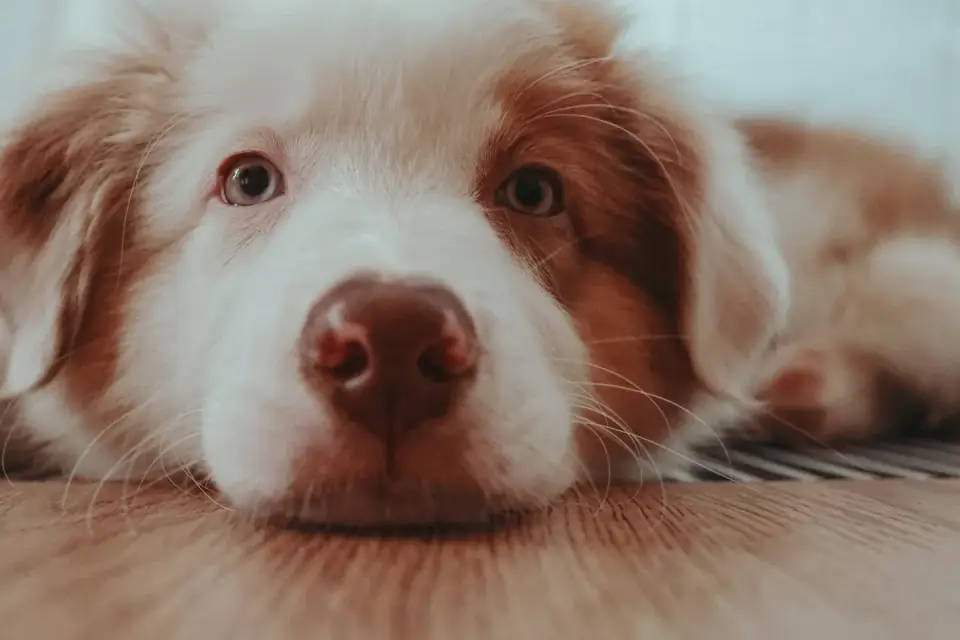
Snuffle Mat vs. Scatter Feeding vs. Puzzle Feeder
Owners often ask me which of these three actually does the most for an anxious or bored dog. They’re not interchangeable, and picking the wrong one for your dog’s temperament wastes both money and effort.
Scatter feeding — tossing kibble across grass or a rug — is the cheapest and most primal version of the same idea. It asks nothing of you but a few open seconds, and it works outdoors especially well. It falls apart indoors on hard floors, where kibble skitters and pools in corners instead of hiding.
A snuffle mat sits in the middle: more structured than scatter feeding, gentler than a hard plastic puzzle feeder. It rewards a slower, more sustained sniffing behavior, and it travels well — fold it up, take it to a hotel room, and a dog’s routine stays intact even when the environment doesn’t.
Puzzle feeders — the sliding-panel or twist-lid kind — ask for more cognitive problem-solving and less pure scent work. They’re a better fit for a food-driven, mechanically minded dog who gets frustrated by fabric rather than motivated by it.
A 2025 study of professional dog trainers, published in Applied Animal Behaviour Science, found that scatter feeding and snuffle mats were among the most commonly used scent-based enrichment tools in practice, and that trainers widely believed scent work could help ease general fearfulness, anxiety, and overexcitement in dogs. That’s a survey of professional opinion and use, not a controlled outcome study — worth knowing before you treat it as proof of anything beyond popularity and trainer confidence.
Who I Actually Reach for One First
In my hospice and palliative work, most of the dogs I see aren’t candidates for a long hike or a game of fetch anymore. Their families still want to do something — some small daily act of care that isn’t just another pill wrapped in cheese. I remember an eleven-year-old Lab mix named Otis, arthritic through both hips, whose owner felt guilty every evening watching him lie by the door instead of playing. We put his dinner in a snuffle mat instead of a bowl. It took him almost eight minutes to finish a meal that used to disappear in ninety seconds, and his owner told me at the next visit that those eight minutes were the calmest part of his day — no jumping, no pacing, just his nose working while his body rested. That’s the whole appeal for a dog whose joints or heart or lungs have started setting the pace: mental engagement that doesn’t ask anything of the legs.
Anxious dogs get similar mileage, for a different reason. Sniffing lowers a dog’s heart rate and shifts them out of a hypervigilant state, which is part of why a slow sniff-led activity can settle a dog who’s wound too tight to nap. If your own dog seems unable to wind down once the sun goes down, it’s worth reading through Why Your Dog Won’t Settle in the Evening alongside this, because pacing at dusk and boredom-driven restlessness often share the same root and sometimes the same fix.
The Honest Counterargument
Here’s where I part ways with some of the enthusiasm you’ll see online. Snuffle mats are not appropriate for every dog, and I say this having pulled fabric scraps out of a dog’s stomach on imaging more than once. Dogs who treat every object as something to be dismantled and swallowed — not chewed and spit out, but genuinely ingested — are the wrong candidates. Puppies teething, dogs with a documented history of foreign-body ingestion, and dogs who get frantic rather than calm during foraging tasks should be steered toward a harder puzzle feeder or plain scatter feeding instead, where there’s simply less material to swallow.
I still land on recommending a snuffle mat as a reasonable first thing to try for most dogs, because the failure mode is rare and the benefit — a slower meal, a quieter evening, a job for an aging brain — is common. But “most dogs” isn’t “your dog” until you’ve watched how yours actually interacts with fabric.
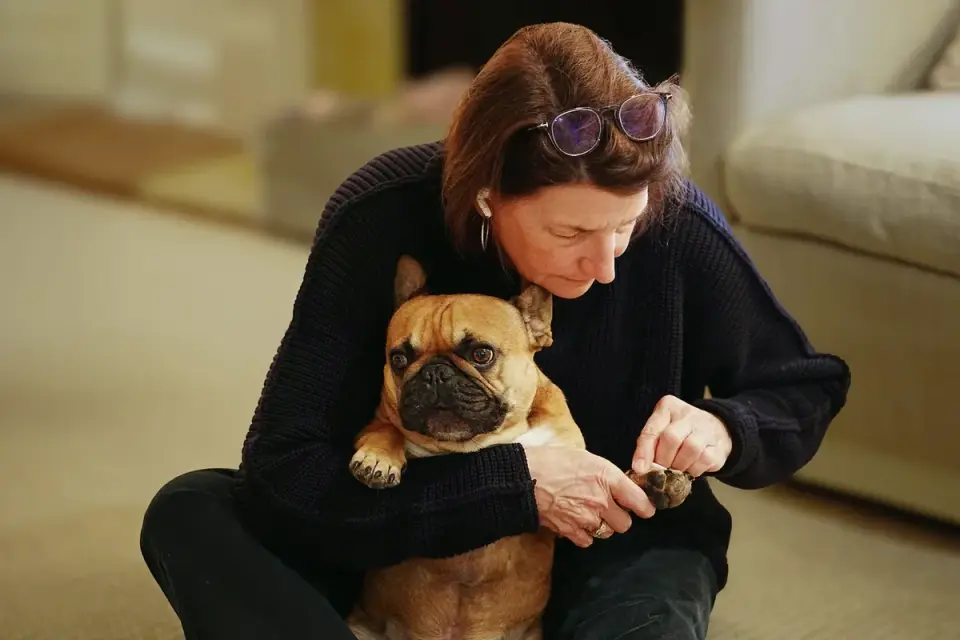
Keeping It Safe on the Floor
A few habits make the difference between a good enrichment tool and an emergency room visit:
- Stay in the room, at least for the first handful of sessions, until you know how your dog handles the fabric.
- Pick up the mat when the food is gone rather than leaving it out as a permanent fixture — that keeps it a job, not a chew toy.
- Choose small, dry treats that won’t get ground into the fibers and go rancid.
- Inspect the mat regularly for loose threads, torn loops, or a cinch string your dog has worked free — any of those can become a swallowing hazard.
- Wash it on a gentle cycle with a pet-safe detergent and air-dry it, since food residue left in fleece attracts exactly the chewing you’re trying to avoid.
None of this is complicated. It’s the same low-grade vigilance most owners already apply to any chew or toy that spends time in a dog’s mouth.
Where This Actually Lands
A woman I worked with for almost a year had a fifteen-year-old spaniel named Juniper whose cognitive decline had made her nights restless and her days a little aimless. We weren’t chasing a cure — there wasn’t one to chase. We were managing comfort, one small routine at a time. A snuffle mat became part of Juniper’s evening: dinner hidden in the fleece instead of dropped in a bowl, ten unhurried minutes before the family sat down themselves. It didn’t reverse anything. It gave an old dog a task her nose could still do well, on an evening that might otherwise have felt like just more restlessness. If your own senior dog has started startling at ordinary sounds or seems unmoored after dark, it’s worth reading Why Your Old Dog Startles at Sounds He Used to Sleep Through — enrichment like this doesn’t replace a veterinary workup, but it can sit alongside one.
Not every dog needs one. A young, food-motivated Labrador who’d happily dismantle the mat itself is probably better served by a hard puzzle feeder. But for the anxious, the aging, the too-fast eater, or the dog whose family just wants to give them something good to do with an otherwise empty evening — a snuffle mat is a small, low-cost place to start. What would your dog actually do with eight quiet minutes and a nose full of hidden kibble?
Frequently asked questions
Can I use a snuffle mat for a puppy?
You can, but stay in the room for every session at first. Puppies explore with their mouths before they learn to sniff and root the way adult dogs do, and a young dog is more likely to chew and swallow fabric than work around it.
Should a snuffle mat replace a dog's regular bowl every day?
It can for dogs who eat too fast or need extra mental engagement, but it's fine to alternate it with normal bowl feeding. The goal is a slower, more engaged meal now and then, not a permanent replacement.
Sources
- How Snuffle Mats Can Help Your Dogs Keep Their Brains Active — AKC
- Investigating dog trainers' perceptions of scent-based activities for companion dogs — Applied Animal Behaviour Science