What to Do After a Week in Boarding Kennels
A preventive vet's follow-up plan for appetite, rest, cough, digestion, skin, and behavior in the first week home after boarding.
After a week in boarding kennels, expect decompression first, then watch appetite, cough, and energy closely.

On this page
You picked up a bright-eyed dog who then slept for ten hours straight, skipped breakfast, and shadowed you room to room. That whiplash is normal after a week of noise, interrupted rest, and unfamiliar routines.
I counsel owners to expect a 48- to 72-hour decompression window first. Most healthy adult dogs bounce back with quiet rest, familiar food, and light exercise, while you watch for the few signs that actually need a call: persistent cough, vomiting or diarrhea past a day, lethargy that deepens instead of lifting, or not drinking. My conviction is simple — rest and observation before intervention — because over-bathing, over-feeding, and over-exercising on day one cause more setbacks than boarding did.
A couple brought home their 4-year-old, 52-pound Lab mix after seven nights in a large boarding kennel. She drank a full bowl at pickup, slept in the back seat the whole 40-minute drive, then ate half her dinner and crashed on the living room rug by 7 p.m. The next morning she was clingy on the walk, startled at a trash truck, and left a quarter of her breakfast. They worried she was sick or sad. On exam history by phone, her gums were pink, her energy was dull but responsive, and she had no cough, vomiting, or diarrhea. We held to plain routine, short sniff walks, and no dog-park reunion. By day 3 her appetite was back to baseline and her morning zoomies returned.
Let Rest Lead, Then Compare To Baseline
Boarding is socially and sensorily expensive. Dogs room with barking neighbors, sleep lightly, eat at different times, and hold play arousal for hours. Home feels quiet by contrast.
For the first two days, I want boring. Same food, same times, fresh water, a familiar bed, and short leash walks instead of fetch marathons. That contrast tells you what matters: are appetite, thirst, urination, stool, energy, and sociability trending back toward that dog’s normal by day 3? If yes, you are watching recovery. If the trend stalls or slides, you are watching something else.
Keep handling low-stress. Let your dog approach, sniff, and disengage. Kids and housemate dogs should keep greetings brief.
That decompression lens also reframes clinginess. Following, whining, and night restlessness often reflect tiredness plus relief, not disobedience.
What I Watch In The First 72 Hours
Appetite, water, and stomach
A skipped meal the first evening home is common, especially after car excitement and a big drink at pickup. Offer the regular diet in the regular amount — no rich toppers, no sudden switch to raw or new kibble to “make up for it.” Abrupt diet changes are a classic trigger for stomach upset, as discussed in our piece on stomach upset after a food switch.
Call sooner if vomiting or watery diarrhea lasts more than 24 hours, if there is blood, belly pain, repeated attempts to vomit without producing anything, or if a puppy or small-breed dog will not eat at all.
Cough, nose, and eyes
Kennel cough is really canine infectious respiratory disease complex, a cluster of contagious agents spread where dogs group together, and the Merck Veterinary Manual notes the hallmark is a harsh, honking cough that can persist for weeks. Incubation is typically 3–10 days, so a dog can look fine at pickup and start coughing by day 5 home.
Mild clear nasal discharge and a single reverse-sneeze episode can settle with rest. A honking cough, fever, lethargy, loss of appetite, yellow-green nasal discharge, or difficulty breathing deserves a veterinary call and, until seen, separation from other dogs.
Skin, ears, and feet
Check ears for odor and head shaking, skin for red spots or chewing, paws for worn pads or torn nails, and coat for boarding odor. A warm-water rinse is fine if your dog is truly dirty, but I delay a full bath for a day or two unless there is visible soil. Tired dogs slip, chill, and stress more in the tub.
Energy and behavior
Expect long naps day one, then gradual return of play. Track sleep against engagement: a dog who sleeps a lot but still greets, walks, and eats is different from a dog who will not get up, hides, or seems painful.
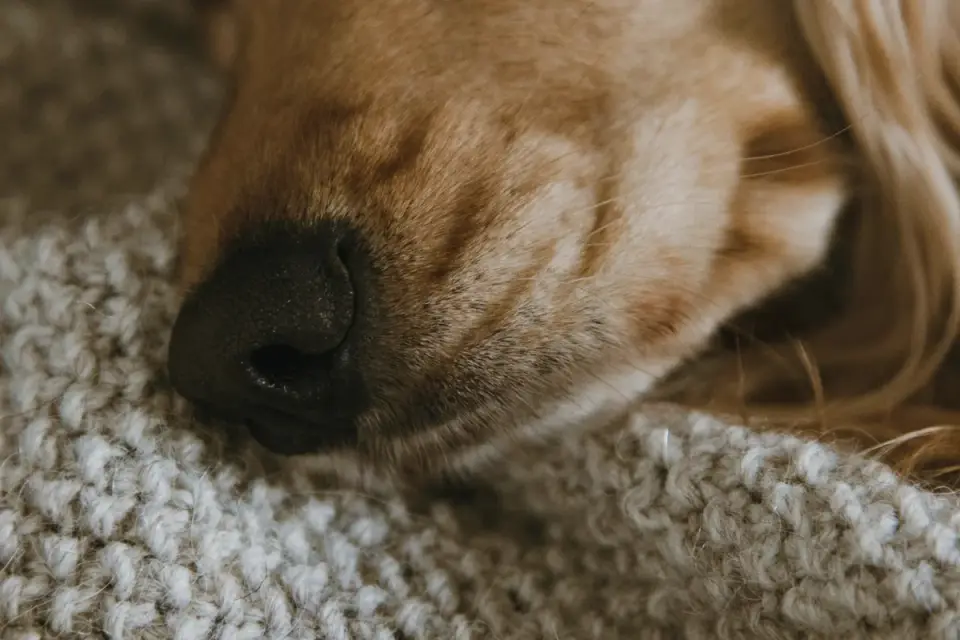
A 9-year-old, 18-pound miniature poodle came home after six nights in boarding and the owner tried to fix everything at once. She gave a full bath that evening, doubled dinner with chicken and cheese because he had eaten lightly at the kennel, then took him to the dog park the next morning so he could “catch up on fun.” By day 2 he had watery diarrhea, goopy eyes from shampoo, a cracked nail from hard play, and he snapped when her grandchild hugged him while he slept. None of those were a boarding disease. They were a recovery overloaded. We pulled back to bland routine for 48 hours, trimmed and cleaned the nail, rinsed the eyes with saline as directed, gave him a kid-free rest zone, and his stool firmed by day 4.
That tradeoff is the strongest counterargument to my rest-first position. Some trainers argue for immediate re-socialization and a big outing to rebuild confidence, and for a resilient adolescent dog that can look right. I still land on decompression first because fatigue masks pain, illness, and bite thresholds, and you cannot read behavior accurately in a tired dog.
Food, Parasites, And Vaccines: The Unsexy Checklist
Stay on the home diet for at least three to five days. Measure meals, note intake, and watch stool. If the kennel reported soft stool or a diet change, transition back over several days rather than snapping straight across.
Check paperwork before you worry. Confirm what was fed, whether any medications were given or missed, and when Bordetella, canine influenza, and DHPP boosters were last administered. The American Animal Hospital Association publishes the core canine vaccination guidance veterinarians use to time those boosters, and boarding requirements vary by facility.
Do a parasite scan: look for fleas or ticks, note scratching, and watch for worms or scooting. If your facility does not require year-round prevention, ask your veterinarian what fits your region and travel plans. Keep any follow-up enrichment calm and age-appropriate in that first week; our guide to age-appropriate enrichment by week is useful if you brought home a tired puppy.
An 11-month-old, 34-pound Border Collie mix illustrated the edge case owners miss. She sailed through days one and two home — great appetite, playful, no cough. On day 6 she developed a soft honking cough after pulling on leash and a thin clear nasal discharge. The owner assumed she had picked something up at the park that morning. The timeline pointed back to boarding exposure the prior week, which fits the incubation window for infectious respiratory disease. Because she was still eating and bright, we isolated her from other dogs, switched to a harness to reduce tracheal irritation, called the clinic for triage, and skipped group class that week. The lesson I repeat: keep watching through day 10, not just pickup day.
When To Call Versus When To Wait
Wait and watch with quiet routine: one skipped meal, one soft stool, extra sleep with normal responsiveness, mild clinginess, or light kennel odor.
Call your veterinarian promptly for honking or persistent cough, labored breathing, fever, repeated vomiting or diarrhea beyond 24 hours, bloody stool or vomit, refusal to drink, marked lethargy, limping or crying in pain, swollen face, hives, or a wound or hot spot that spreads. Bring boarding records, vaccine dates, food details, and a short timeline of what changed and when.
Most dogs need nothing fancy after a boarding week — just rhythm. You are the baseline keeper.
Wrapping up briefly: rest first, feed familiar, walk short, and let day-three trends guide you. If cough, gut signs, or flat energy persist past that window, get examined rather than waiting it out.
Frequently asked questions
Why is my dog so tired and clingy after boarding for a week?
Broken sleep, noise, excitement, and routine changes are exhausting. Most dogs need 48-72 hours of quiet rest, familiar food, and short walks to return to baseline. If lethargy deepens, appetite stays poor, or cough, vomiting, or diarrhea develop, call your veterinarian.
How long should I watch for kennel cough after boarding?
Watch through at least day 7-10 home, since signs can appear 3-10 days after exposure. Isolate a coughing dog from others, use a harness instead of a neck collar, and call your clinic for triage — especially with fever, appetite loss, or difficulty breathing.
Should I bathe my dog right after boarding?
If visibly dirty, a gentle rinse is fine. Otherwise wait a day or two until rest and appetite normalize, then bathe with a dog-appropriate shampoo. Seek care for spreading redness, odor, discharge, intense itching, or wounds.
Sources
- Tracheobronchitis in Small Animals — Merck Veterinary Manual
- 2022 AAHA Canine Vaccination Guidelines — American Animal Hospital Association