Why Your Dog Digs at the Couch Before a Storm Hits
A preventive-care vet explains storm-related couch digging in dogs, what to do in the moment, and how to build a calmer routine.
That frantic couch digging before a storm hits is anxiety, not bad manners — and you can change it.

The sky goes yellow-gray around 4 p.m., the air feels heavy, and your dog starts shredding the couch corner with her front paws. Close the blinds. Turn on a fan or white noise. Offer the safe spot before the digging escalates.
That sequence matters more than any lecture about thunder phobia. Dogs feel pressure drops, static charge, low rumbles, and our own rushing around long before we hear the first crack. Digging is displacement and nesting rolled together — an attempt to make a den, burn off adrenaline, and self-soothe with repetitive motion.
I saw this pattern last spring with a 5-year-old, 48-pound mixed-breed who only destroyed furniture when storms built in the afternoon. Her owner worked from home and noticed the tell: pacing to the windows, whining, then hard digging at the same left cushion for three or four minutes until the fabric pilled. She did not touch the couch on clear days. By day 10 of a simple log — time, weather, what helped — the link was obvious, and we could finally stop blaming boredom and start planning for pressure-change anxiety. That log became our decision tool: intervene at pacing, not at full panic.
The air changes before your ears do
Dogs do not need thunder to know a storm is coming. Falling barometric pressure, rising humidity, wind vibration in windows, distant infrasound, and static buildup on coats all arrive early. Sensitive dogs pace, pant, lick lips, yawning wide, tuck tail, pin ears, or head for the couch, closet, or tub.
Couch digging fits here. In the wild, digging shapes a shallow, sheltered resting spot. On your sofa, the same motor pattern gives an anxious dog something to do with shaking legs and a small sense of control. It may help maintain a feeling of security in the moment, even if it ruins upholstery. Correcting it loudly usually adds arousal and makes the next storm worse.
Check the medical layer first. Painful nails, interdigital cysts, allergies that make paws itchy, cognitive change in seniors, or a new orthopedic ache can lower the threshold for storm reactivity. I keep this rule in day-to-day practice: any new, intense, or one-sided digging, licking, vocalizing, or escape behavior earns an exam before you buy anything for calming. Prevention works only when the baseline body is comfortable.
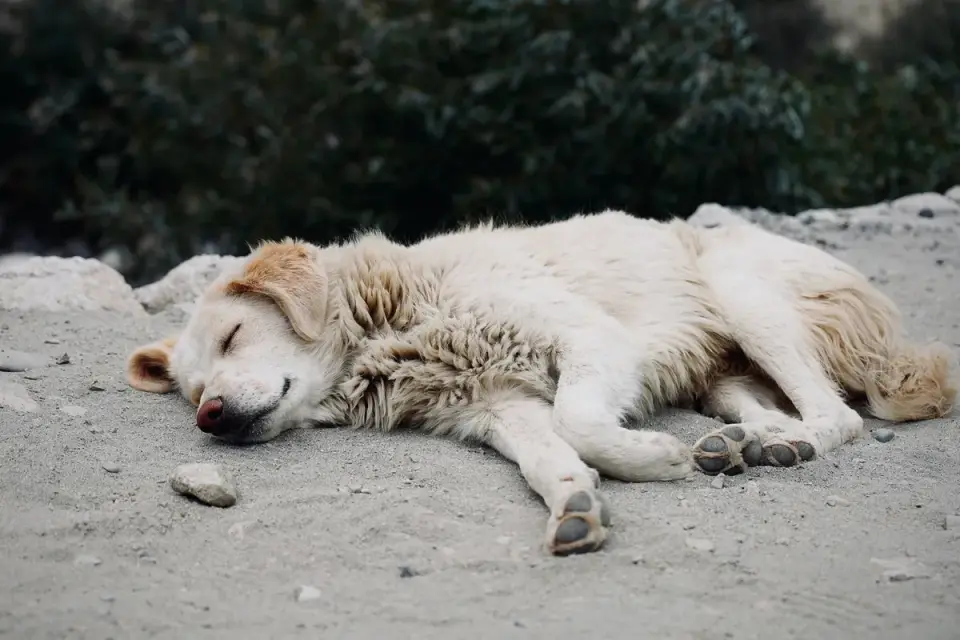
Give the paws a better job to do
Do this in order when you see the first pace-and-sniff. Move to the interior safe area. Dim lights. Start steady background sound. Offer a long-lasting lick or chew. Sit nearby and breathe slow.
A bathroom, pantry corner, or crate with the door open, lined with a familiar blanket, works better than the living-room window perch. Licking and chewing compete with digging because the mouth cannot dig and lick at once, and the rhythm supports settling for many dogs. Keep your voice low and matter-of-fact. Petting with long, slow strokes is fine if your dog leans in; stop if she stiffens or moves away.
This is where I get candid about chews and teas. Owners ask about chamomile, valerian, L-theanine, and ashwagandha every storm season, and the labels sound reassuring. The honest read from day-to-day practice: these ingredients are supports for a routine, not storm shields, and the preventive evidence is thin in dogs specifically.
Traditional use is real but limited. “Chamomile and Valerian Root have been used in traditional herbal care to support relaxation.” A MDPI review adds important context: “For the remaining species, evidence is derived mainly from preclinical studies or traditional use.” That means we are leaning on history and lab work more than canine trials.
The middle failure I see most involves timing. A family with a 3-year-old, 62-pound shepherd mix bought a calming chew with good ingredients, then gave it as the sky turned black and the dog was already digging through a throw pillow. Nothing touched that adrenaline peak, and by three weeks in they called the whole category useless. When we walked it back, the tradeoff became clear: a chew given 60 to 90 minutes before a forecast storm, paired with the safe space and sound masking, may help maintain calm behavior far better than the same chew tossed mid-panic. Ingredients do not rescue; routines do. “L-theanine is an amino acid found in tea that has been studied for its calming properties,” per that same vet-reviewed list, but studied for calming is not the same as proven to stop storm digging. A Molecular Psychiatry review notes “except for one study on psychotic anxiety (SMD = 0.54; 400 mg/day for 8 weeks)” — a human dose finding that does not translate directly to dogs.
Read the panel, then build the forecast routine
If you use a supplement, flip the bag. Look for named ingredients, actual milligrams per chew, feeding directions by weight, lot numbers, and a quality seal. Vague “calming blend” language without doses earns a pass from me. I would rather see one named form with a real amount than five botanicals dusted in.
Ashwagandha is a good test case. A Cureus systematic review concluded that “A systematic review analyzed multiple RCTs and concluded that ashwagandha has a moderate positive impact on stress reduction and cognitive performance.” That finding is in people, not storm-phobic dogs, so I treat it as supportive background while I watch the individual dog’s response over two to three weeks of consistent use during the season.
Pressure-wraps, snug shirts, and Fear Free handling help some dogs and irritate others. Try the wrap on a calm day first. Pair it with treats. If your dog freezes, pants harder, or tries to peel it off, skip it.
The edge case that changes my plan is the silent digger. An 11-year-old, 19-pound terrier mix never barked at thunder but dug neat, frantic circles on the ottoman every time rain approached, then settled once it poured. The owner worried less because he was quiet, yet by day 14 his nighttime restlessness spread to non-storm evenings. Bloodwork and an orthopedic exam found sore hind-end arthritis that storm restlessness had unmasked. Once pain care improved, the same calming routine finally held. Quiet does not mean comfortable.
Learn the layered approach in How to Calm a Dog During Thunderstorms: An Integrative Vet’s Layered Approach, then check ingredients with Dog Calming Chews: What’s Actually in the Bag, and What It’s Doing and Dog Anxiety Supplements: A Vet’s Checklist Before You Buy the Chew. Talk with your veterinarian promptly if digging turns to escape attempts, window or door destruction, self-injury, drooling pools, vomiting, or panic that lasts hours after the storm. Those dogs may need prescription support alongside behavior work, and starting early in the season supports better outcomes.
Short version I stand behind: protect the couch by meeting the need underneath. Early safe space. Steady sound. Mouth busy. Consistent routine. Honest labels.
That digging is information. Use it.
Frequently asked questions
Why does my dog only dig the couch before a storm, not during fireworks?
Storms give longer early cues like pressure change, wind, and static, so anxious digging starts earlier. Fireworks are sudden and loud, which more often triggers bolting or hiding first.
Should I scold couch digging during a storm?
No. Scolding adds arousal and can strengthen the fear memory. Redirect calmly to a safe spot with sound masking and a lick mat or chew.
When should I call the vet about storm anxiety?
Call if you see escape attempts, injury, destruction, drooling, vomiting, or panic lasting hours after the storm, or if the behavior is new or worsening. An exam rules out pain or medical triggers first.
Sources
- Chamomile and Valerian Review — MDPI
- Ashwagandha and Stress Review — Cureus
- L-Theanine and Anxiety Review — Molecular Psychiatry