Why Does My Dog Resource Guard More When He's Anxious
A vet explains why anxiety lowers tolerance and intensifies resource guarding in dogs, and how to support calm before retraining.
Anxious dogs guard more because stress lowers their tolerance, so support calm before you retrain the guarding.
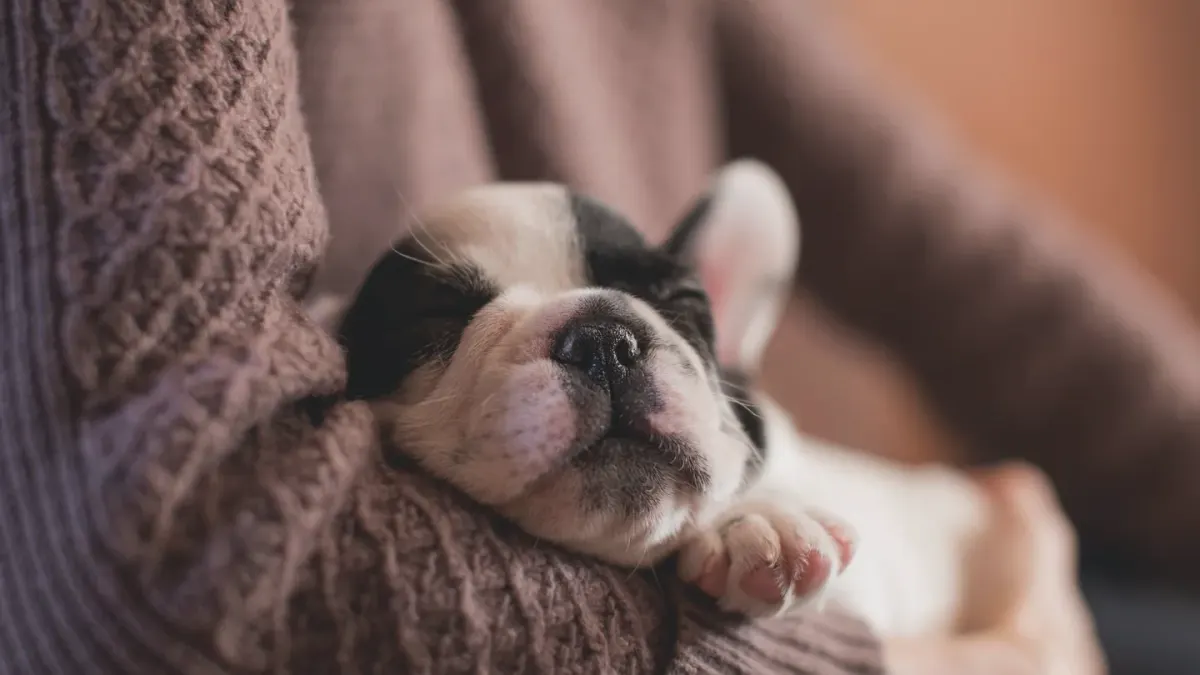
Anxious dogs do not become possessive to be difficult. Stress shifts the brain toward threat detection, so a chew, bowl, or resting spot that felt safe yesterday feels worth defending today.
I saw this pattern in a four-year-old, 52-pound mixed-breed dog who had lived peacefully with a busy household for two years. After a move, the growling started over a single high-value chew in the evening. The owners were confused because nothing about the food had changed. Three weeks in, we mapped the timeline and the picture cleared: new apartment noises, broken sleep, less sniff time on walks, then a stiffened body, hard stare, and gulp-eating whenever anyone walked past the mat. The decision we had to make concrete was not which chew to remove, but whether to treat this as disobedience or as a lowered threshold for perceived loss.
Why worry makes everything feel scarce
Think of resource guarding as an emotional math problem, not a manners problem. The amygdala flags potential loss, the hypothalamic-pituitary-adrenal axis raises circulating cortisol and adrenaline, and the prefrontal cortex — the part that helps a dog pause and assess — gets less say. Appetite, digestion, sleep, and startle all shift together.
That is why an anxious dog guards more, and guards new things. Heightened vigilance narrows attention to the valued item. Lower frustration tolerance shortens the pause between a trigger, like a footstep toward the bowl, and a response, like freezing or snarling. Prior learning matters too: if rushing in once worked to keep the bone, the stressed brain repeats it faster.
Say honestly when the science is unsettled: we can describe this stress-arousal link well in mammals, but we do not have precise canine trials that say how much anxiety raises guarding intensity in any individual dog. The mechanism is plausible and clinically consistent, yet still incomplete.
The quiet signs before the growl
Owners often notice the growl first and miss the earlier ledger. Watch for eating faster, carrying items away, body-blocking the bowl, whale eye over a toy, reluctance to drop, restlessness at night, lip-licking or yawning when approached, and a dog who will no longer chew when people are moving around.
One routine I see backfire is the well-meaning trade that turns into a chase. A six-year-old, 18-pound terrier mix had started freezing over socks and food wrappers. The owner, worried about swallowing, would follow, reach, and pry — understandably. By day 10 the dog had learned a painful lesson: people approaching meant the good thing disappeared quickly, so guard earlier and harder. The tradeoff was clear. Safety still required preventing ingestion, but every rushed grab raised the perceived scarcity it was meant to solve. We had to slow the whole exchange down before any supplement or protocol could help.
Calm supports learning.

What actually lowers the temperature
Management comes first. Feed in a quiet corner, give chews on a mat with space, avoid reaching into the bowl to test him, and teach children to give wide berths during meals. Then rebuild the association: your approach predicts more good things, not fewer. Toss a higher-value bite as you pass at a distance, rather than taking the bowl away.
Prevention and daily rhythm matter as much as technique. Consistent sleep, decompression walks with sniffing, predictable feeding times, and a safe resting place all support a steadier baseline. For more on building that foundation, see Dog Anxiety Supplements: A Vet’s Checklist Before You Buy the Chew and Dog Calming Chews: What’s Actually in the Bag, and What It’s Doing.
Nutrition and calming ingredients can support that routine, but they do not retrain guarding by themselves. Chamomile and valerian root have traditional use for relaxation, though for dogs the direct trial base is thin. As one MDPI review noted, “For the remaining species, evidence is derived mainly from preclinical studies or traditional use.” In people, ashwagandha has more systematic data: “A systematic review analyzed multiple RCTs and concluded that ashwagandha has a moderate positive impact on stress reduction and cognitive performance,” summarized in Cureus. L-theanine is another tea-derived amino acid studied for calm, with one exception noted in a large review: “except for one study on psychotic anxiety (SMD = 0.54; 400 mg/day for 8 weeks)” in Molecular Psychiatry. None of these translate directly to a dose or effect for resource guarding in dogs, so read them as background, not prescription.
An edge case I want owners to hold gently involves the dog who only guards when overtired. A two-year-old, 68-pound adolescent retriever type was sweet all morning at daycare, then stiffened over the dinner bowl at 6 p.m. The owners feared escalating aggression. After two weeks of sleep logs we found the real trigger: fragmented naps, late-evening training, and a bowl placed in a hallway. When rest was protected and meals moved to a quiet room, the evening growls faded without ever changing the food. For some dogs, fatigue and location lower the threshold more than anxiety alone, which is why context changes how you apply any calming plan.
If guarding escalates to snapping, biting, guarding multiple locations, or guarding from children, pause self-help and get hands-on help. Your regular veterinarian should rule out pain, gastrointestinal upset, thyroid shifts, and other medical contributors first. Severe cases may need a veterinary behaviorist and discussion of prescription options alongside behavior work, a line explored further in Sertraline vs. Calming Chews for an Anxious Dog: Where the Line Actually Sits.
Support the nervous system, protect space around valued things, and retrain the approach as good news. That order respects both the dog in front of you and what the evidence can actually promise.
Frequently asked questions
Why does my dog only resource guard when anxious or tired?
Stress, poor sleep, pain, and unpredictability lower frustration tolerance and heighten threat perception, so guarding appears in those moments first. Track sleep, noise, visitors, and feeding location for two weeks to find the pattern, then add space and predictability before retraining.
Should I take the bowl away to show I am in charge?
No. Repeatedly removing food or reaching in to test him usually increases perceived scarcity and intensifies guarding. Feed with space, avoid crowding, and rebuild the association so your approach at a distance predicts an extra tasty bite, not loss.
Can calming supplements stop resource guarding?
No supplement retrains guarding alone. A consistent routine, management, and desensitization with counterconditioning do the behavior work; calming nutrition may support a steadier baseline. Seek prompt veterinary help for bites, rapid escalation, or guarding from children.
Sources
- Herbal approaches to anxiety and stress — a review — MDPI
- Ashwagandha and stress — systematic review — Cureus
- L-theanine and anxiety — evidence review — Molecular Psychiatry