Why Dogs Eating Wet Food Drink Less Water
A veterinary nutritionist explains moisture math, total water intake, and when lower bowl visits are normal — and when they are not.
Most healthy dogs on canned food visit the bowl less because the can already did half the drinking for them.
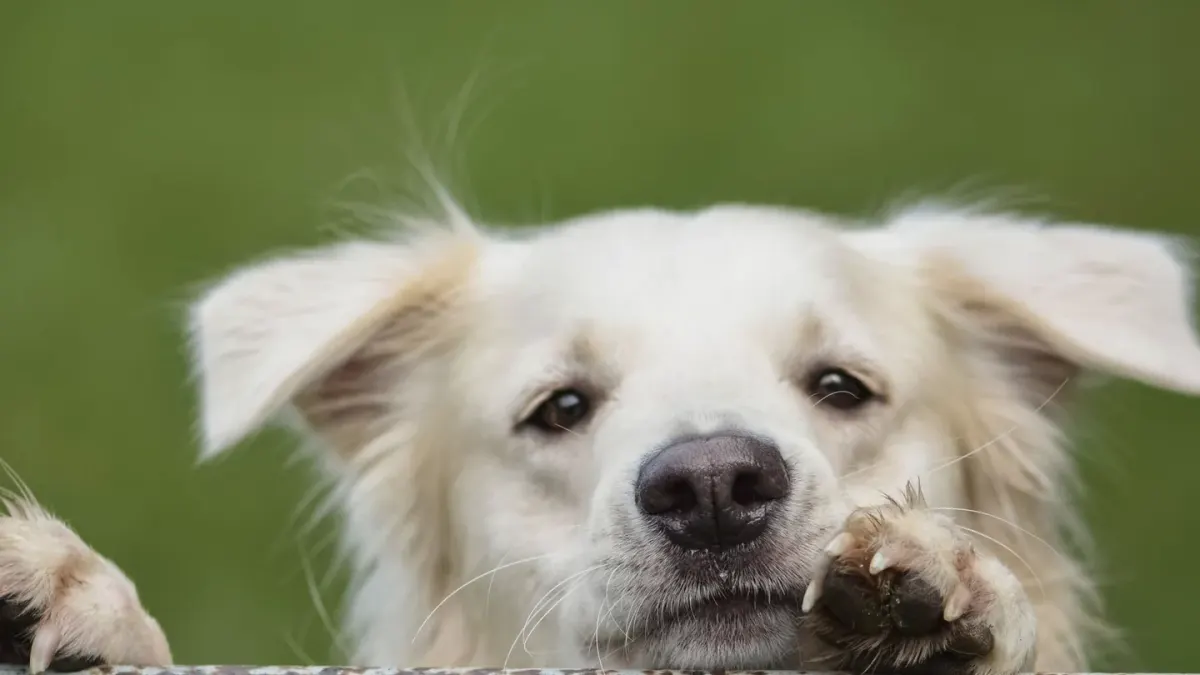
A 6-year-old, 22-kg mixed-breed dog switched from kibble to a canned ration last spring, and within 4 days her owner noticed the water bowl still looked full at bedtime.
Is that drop a problem, or is it just water arriving in a different package? For most healthy dogs it is the second — total water intake stays fairly steady, even as drinking behavior shifts.
Total water comes from three places: water drunk, water in food, and a small amount of metabolic water made when nutrients are oxidized. The National Academies Press nutrient requirements work for dogs and cats is the standard reference for that balance, and it frames intake per unit of energy rather than per bowl lap. That framing matters because a dog eating more calories generally needs more total water.
The can is mostly water, the kibble is not
Pet food moisture is declared on the guaranteed analysis, and the U.S. Food and Drug Administration explains how to read those pet food labels in plain terms. Typical dry food sits near 8–12% moisture. Typical canned food sits near 75–82% moisture.
Put that into bowl terms and the gap is hard to miss. A 400-g daily portion of 80%-moisture canned food carries roughly 320 ml of water before the dog takes a single sip. The same calories as kibble might carry only 30–40 ml of food water. The dog on wet food is not drinking less overall; the dog is drinking less from the bowl because hundreds of milliliters arrived with dinner.
That is why I weigh what a supplement or topper can realistically do for diet and recovery against what the base ration already provides. A broth topper or water added to kibble may help support normal hydration habits, but neither rewrites total water need the way a full shift in food moisture does. I would change that position if controlled feeding trials showed dogs held total water constant poorly across moisture levels, but current physiology does not show that — healthy dogs titrate drinking down when food water rises.
When less drinking is expected
Expect visibly lower bowl volume when a dog moves from all-dry to all-wet, from dry to a 50/50 mix, or from dry treats to moisture-rich fresh toppers. Cooler weather, lower activity, and smaller meals point the same direction. Urine may look a little more dilute, and stool may look a little softer, without straining, accidents, or urgency.
One pattern I watch for is the failed tradeoff: owners add water to kibble to mimic canned food, then worry when drinking still looks high. A 9-year-old Beagle in a two-story home showed this well — after 3 weeks of soaked kibble plus two 20-minute walks a day, the bowl was still dropping fast because soaked kibble still holds far less water than a true canned ration, and panting after stairs kept losses up. Soaking is reasonable for palatability and chewing comfort, but it does not turn kibble into wet food.
How to check total intake without guessing
Measure for 2–3 days. Record grams of food fed, the moisture percentage from the label, and milliliters drunk from a measured bowl. Add food water to drunk water for an estimate of total intake.
Dogs typically take in roughly 50–60 ml per kg per day under temperate conditions, with wide variation for diet, activity, lactation, fever, kidney disease, and drugs such as diuretics or corticosteroids. A dog well above or below that band is not automatically ill, but a persistent change deserves a closer look at intake, urine output, energy, and appetite.
The bend in the usual advice comes with seniors and medical cases. A 13-year-old terrier with early kidney disease kept eating a low-moisture renal kibble well, yet over 5 nights his owner logged restless pacing and just 120 ml drunk per day — too little context to judge alone. There we did the opposite of the standard reassurance: we kept the accepted kibble for phosphorus control, added measured warm water to each of two daily meals, and tracked body weight and morning urine color rather than bowl level alone. When total water, appetite, or urination shifts, check with a veterinarian rather than forcing more water.
Dehydration signs — tacky gums, reduced skin elasticity, sunken eyes, lethargy, and markedly concentrated urine — are covered in the Merck Veterinary Manual overview of dehydration in dogs. Wet food alone should not cause those signs. If drinking drops to nearly zero, if thirst spikes suddenly, or if vomiting, diarrhea, fever, or poor appetite appear alongside the change, that is no longer a moisture-math story.
If you are adjusting anything else at the same time, keep transitions gradual — the same gut-first logic in How to Change Food for a Senior Dog: A Gradual, Gut-Friendly Switch and What to Do If Your Dog Rejects New Food During a Switch applies when moisture changes, too. Looking ahead, the most useful habit is not chasing a fixed number of bowl refills but learning your dog’s own total — food water plus drunk water — and noticing when that total moves.
Frequently asked questions
Is it normal for a dog on wet food to barely drink?
Often yes. Canned food can deliver several hundred milliliters of water per day, so many healthy dogs drink noticeably less from the bowl while total intake stays adequate. Watch energy, appetite, urination, and hydration signs rather than bowl level alone.
How much total water does a dog need per day?
A common temperate-condition estimate is about 50–60 ml per kg per day from food plus drinking combined, with wide variation by diet moisture, activity, heat, health status, and medication. Use it as context, not a diagnosis, and ask a veterinarian about persistent outliers.
When should low drinking on wet food worry me?
Seek veterinary advice for nearly absent drinking, sudden thirst changes, vomiting, diarrhea, fever, lethargy, tacky gums, markedly dark or scant urine, or poor appetite. Those patterns point beyond normal moisture math.
Sources
- Nutrient Requirements of Dogs and Cats — National Academies Press