Enrichment That Keeps Dogs Cool in Hot Weather
The dogs who get through a heat wave in good shape aren't the ones who skip exercise entirely — they're the ones whose owners swap the leash for something that works the brain instead of the lungs.
On this page
What do you do with a dog who still wants a job when the air outside is not safe for one?
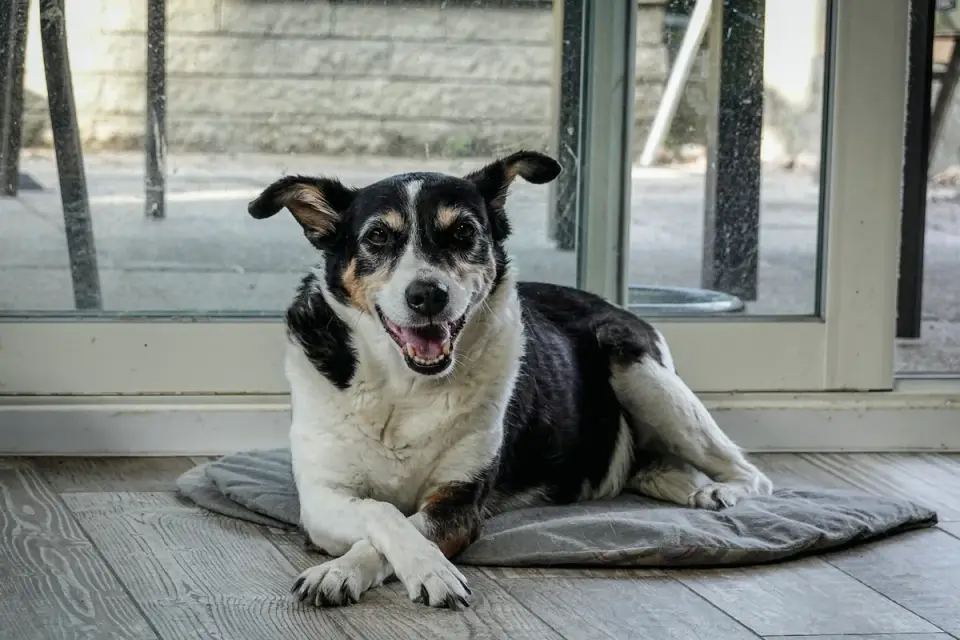
I think about Wilson more than most of the dogs in my case files. He was an eleven-year-old Labrador mix, seventy-eight pounds, the kind of dog who paced by the back door every afternoon out of habit rather than need. His owner called me in July because a ten-minute yard session had left him panting hard enough that she got scared. Nothing was wrong with Wilson, not exactly — he was just an aging, heavy-coated dog trying to do what he’d always done, in weather that no longer agreed with him. We didn’t take away his afternoon ritual. We changed what it was made of. That’s the whole idea behind this piece: the goal on a hot day isn’t less dog, it’s a different kind of engagement, one that respects what an aging or heat-sensitive body can actually absorb.
What a Body in Heat Is Already Working Against
Dogs don’t sweat the way people do — they rely mostly on panting to shed heat, which is a far less efficient system, especially once humidity climbs. According to the American Animal Hospital Association, heatstroke can set in quickly and become life-threatening, and breeds with flat faces, thick double coats, extra weight, or heart and respiratory disease carry the highest risk. Older dogs belong on that list too, even without a diagnosed condition — the cardiovascular reserve that once made a summer jog unremarkable narrows with age. That’s the part owners underestimate. A dog who handled ninety-degree afternoons at five doesn’t necessarily handle them at eleven, and the warning signs — heavy panting that doesn’t ease, thick drool, wobbliness, gums that shift color — are worth learning before you need them.
The Case for Bringing the Work Indoors
Here is where I land, and I’ll name the counterargument first because it’s a fair one: some owners worry that skipping physical exercise on hot days will leave a dog restless, or that mental work is a consolation prize rather than the real thing. I understand the instinct. But tired isn’t just a function of muscles. A focused nose-work session or a slow-feeder puzzle can occupy a dog’s attention in a way that looks, behaviorally, a lot like satisfaction — settled body, slower breathing, a nap that actually holds. The Cornell University College of Veterinary Medicine is direct about heatstroke being a true medical emergency, one that can turn fatal within thirty minutes of onset — which is reason enough, on its own, to treat a 95-degree afternoon as a day to change the plan rather than push through it.
A snuffle mat scattered with kibble, a frozen food-dispensing toy, or a scent-based hide-and-seek game asks a dog to work in a way that doesn’t require raised body temperature or elevated respiratory effort. If you haven’t used one, our guide to what a snuffle mat actually does walks through how foraging behavior translates indoors, and our comparison of food-dispensing toys against treat balls covers which format suits a dog who tires quickly versus one who needs a longer session.
Two Kinds of Frozen Enrichment, and Why the Difference Matters
Frozen enrichment gets recommended constantly for summer, and most of it is genuinely useful — but it splits into two categories that solve different problems. One is a frozen, stuffed puzzle toy: broth, plain yogurt, or mashed fruit packed into a rubber toy and frozen solid, which slows a fast eater and gives a dog a long, low-effort task. The other is direct cooling — a damp mat, a shaded kiddie pool, a cooling vest — which lowers body temperature rather than occupying the mind. Owners sometimes reach for the frozen chew toy and assume it’s doing the cooling job too. It isn’t, not meaningfully. It’s enrichment first. If the goal is actually bringing a dog’s temperature down, that’s a separate strategy, and we cover it directly in our piece on cooling a thick-coated breed at home.
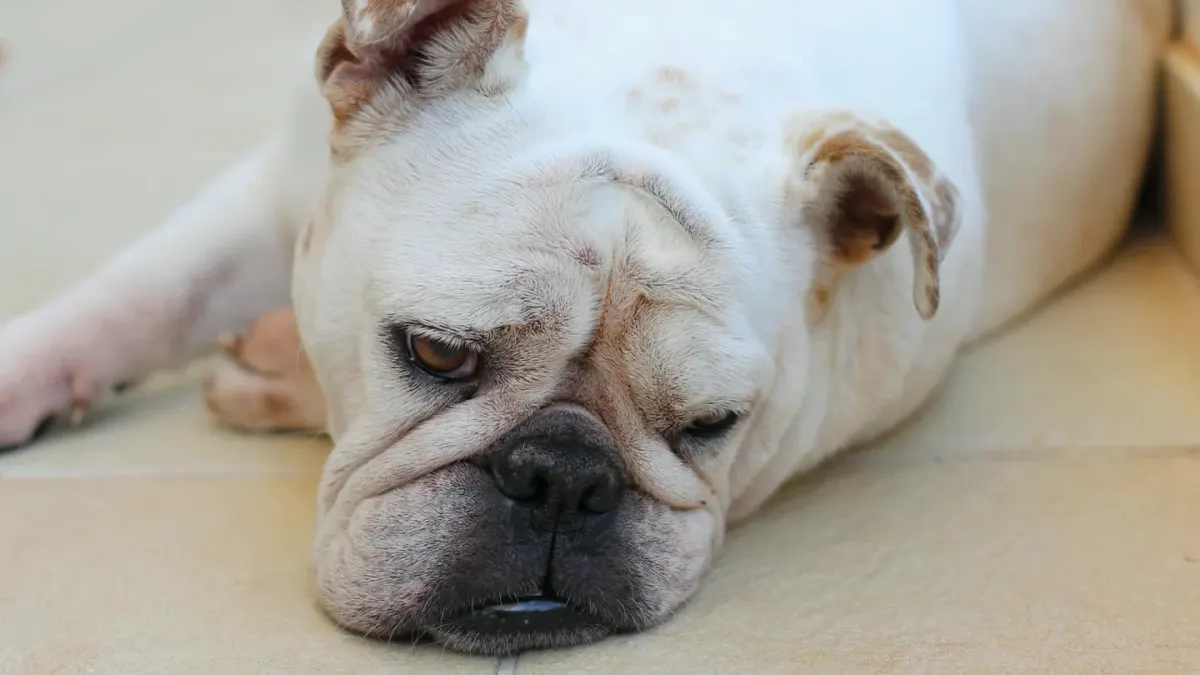
I had a Frenchie patient, six years old, twenty-six pounds, whose owner kept a frozen Kong-style toy going almost daily through August because it was the one thing that reliably settled him before evening. That’s a reasonable use of the tool. What it isn’t is a substitute for watching him during the ten minutes it took to eat it, or a reason to skip the shade-and-water basics on the days the heat index climbed past what a brachycephalic dog can safely tolerate. Supervision matters here — frozen treats can pose a choking risk for dogs with airway conditions or smaller mouths, and a dog with dental sensitivity may need a softer option altogether.
Reading the Signs Before They Become an Emergency
I’d rather an owner interrupt a good enrichment session early than push through one that’s gone wrong. Watch for panting that doesn’t slow once the activity stops, drooling that seems excessive, a dog who suddenly wants to lie down mid-session, or gums that look unusually bright red or pale. The RSPCA has pushed back publicly on the idea that ice or very cold water is a safe way to cool an overheated dog quickly — the more reliable approach is room-temperature water and moving to a cooler space, with a vet call if the dog doesn’t recover within a few minutes. None of this is meant to make hot-weather enrichment feel risky. It’s meant to make it something you do with your eyes open, the same way you’d watch a dog on a long walk rather than assume the leash does the supervising for you.
Where I Land
Wilson’s owner and I settled on a rotation: a snuffle mat before his morning meal, a slow, shaded ten-minute sniff around the yard once the sun had dropped, and a frozen lick mat most afternoons while she worked from home nearby. He wasn’t getting less out of his days. He was getting a version of them that didn’t ask a seventy-eight-pound, aging body to do more than it comfortably could in July heat. That’s the quality-of-life math I’d ask every owner to run before defaulting to the leash on a hot afternoon: not “how do I replace the walk,” but “what does this particular dog, at this particular age and coat and health status, actually need to feel satisfied today.” Sometimes that’s still a walk, just earlier and shorter. Often, especially for an older or heat-sensitive dog, it’s twenty quiet minutes with a puzzle toy and a cool floor. Either one counts.
Frequently asked questions
Is it ever okay to skip a dog's daily walk entirely during a heat wave?
Yes, especially for senior, brachycephalic, overweight, or heart- and respiratory-compromised dogs. Replacing the walk with indoor mental enrichment on the worst days is a reasonable, comfort-first choice rather than a compromise.
Can a frozen puzzle toy actually cool a dog down?
Not meaningfully. A frozen stuffed toy is a slow, engaging task, not a cooling method. If the goal is lowering body temperature, that calls for shade, airflow, and room-temperature water rather than a frozen chew.
What are the earliest signs that a dog is struggling with heat during an enrichment session?
Panting that doesn't ease once the activity stops, heavy drooling, sudden reluctance to continue, or gums that look unusually bright red or pale. Move the dog to a cooler space and call a vet if those signs don't resolve quickly.
Sources
- Too Hot to Handle: A Guide to Heatstroke in Pets — American Animal Hospital Association
- Heatstroke: A Medical Emergency — Cornell University College of Veterinary Medicine
- Heatwave Pet Care Myths — RSPCA