How to Plan Gentle, Level Hikes for an Older Dog
A house-call vet explains how to choose flat trails, pace rest breaks, and read stiffness to keep senior dogs hiking comfortably.
Plan short, gentle, level hikes around your older dog's joints, nose, and need to rest early.
On this page
Planning for an older dog starts well before the trailhead, with the dog as he is at home on an ordinary morning. Cartilage thins with age, synovial fluid turns over more slowly, and the muscles that stabilize the shoulders, hips, and spine lose mass unless they are used regularly. That is why steady, low-impact movement often supports comfort better than long rest followed by one big outing. A level walk loads joints evenly and keeps blood flow to muscle without the eccentric strain of steep descents.
The retriever-type dog I followed last spring made that decision concrete. He was thirteen, weighed 58 pounds, and lived for a slow circuit around a neighborhood pond. His owners were weighing a familiar choice for a Saturday, the 0.8-mile packed-gravel lakeside loop he knew by scent against a 3.2-mile ridge trail with 400 feet of climbing they loved. At home he rose slowly for the first five steps, then moved cleanly once warm, and he had started sitting out the last ten minutes of evening play by early March. We mapped the shorter loop with two planned shade stops and a turn-back point at the first bench.
The trail looks level until you walk the dog’s line
A map marked easy does not always mean joint-easy. I look for grade, footing, and continuity. A rail trail, canal path, or mowed lakeside loop with less than about 5 percent grade lets an older dog keep a shuffling trot rather than brake downhill or push uphill. Packed dirt or fine gravel gives more than pavement and grips better than wet boardwalk. Broken sections matter more than total miles. One washed-out gully, a set of tall steps, or a half-mile of loose cobble can create more soreness than another mile of smooth path.
Distance is best set from the home week, not the weekend wish. If the dog walks comfortably for 20 minutes twice daily on familiar ground, a 30 to 40 minute outing with built-in rests is a reasonable first hike. Add one variable at a time, either a little more time or slightly more varied footing, and watch recovery that evening and the next morning. Guidance for senior pets from the American Veterinary Medical Association frames this well, regular veterinary checkups to adjust activity as aging changes emerge rather than pushing through new stiffness or fatigue.
Short matters.
What stiffness changes about pace, footing, and rest
Stiffness in older dogs is often osteoarthritis, a whole-joint process involving cartilage, bone, synovial membrane, and surrounding muscle. The joint may feel worse after rest and ease with gentle warmup, then ache again with overuse. Clinicians describe this pattern often, and client resources such as VCA Hospitals note lagging behind, difficulty rising, reluctance on stairs, and lagging recovery after activity as common owner observations. Level ground reduces peak joint force compared with hills, and a steady nose-down amble preserves hind-limb push without loading the forelimbs the way a hard stop on a descent does.
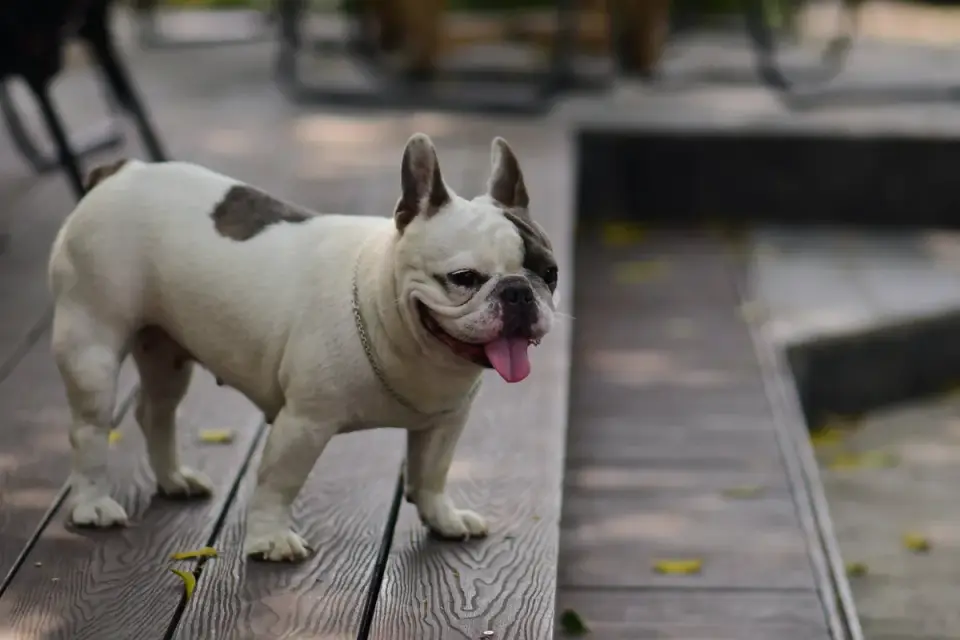
A small terrier-type dog I saw through a summer illustrates the tradeoff owners feel. He was ten, bright-eyed, and stronger than his frame suggested. His family had saved hiking for weekends and tried to make up for quiet weekdays with four walks packed into two days, including one sandy riverside stretch that looked soft but tipped and slid underfoot. He kept up on day one, slept hard that night, and on the second morning needed three attempts to get into the car and skipped the final block home. The total mileage was modest. The pattern was not. Concentrated load without midweek conditioning left him sore in a way a single shorter loop rarely had.
That is the argument for frequency over heroics. Two or three shorter level outings across the week maintain muscle and joint excursion better than one long push. Warm up with five minutes of easy walking near the car. Keep the working pace at a loose-leash walk where the dog can sniff. Plan a rest before he asks for it, in shade, with water, every 15 to 20 minutes in mild weather and more often in heat.
For dogs already managing joint disease, nutrition and adjuncts come up often on the trail. Glucosamine and chondroitin are among the most discussed ingredients in this space, and readers sorting labels may find Dog Hip and Joint Supplement: What Actually Works, Ingredient by Ingredient and Fish Oil vs. Glucosamine for Dog Joint Health: What Each One Actually Does useful background. I treat those as background support at best, not the lever that makes a steep hike appropriate.
Packing the day around water, footing, and the way home
Attend to the whole patient in its own home, and the packing list writes itself. Bring more water than the dog drinks in the yard, plus a collapsible bowl, because panting on even a cool trail raises fluid needs. Pack a non-slip pad or towel for rest stops on gravel, a well-fitted harness that avoids neck pressure, booties only if already broken in, and a towel for damp paws. In warm months, walk early, check air quality and surface heat with the back of the hand, and choose loops with bailout points rather than out-and-back climbs.
Watch the dog more than the mileage app. A shortening stride, wide hind stance on turns, repeated sitting, heavy panting that does not settle with a three-minute rest, or a reluctance to start again are turn-around signs. I would rather cut a hike short and have a dog who rises cleanly for dinner than finish the loop and manage two stiff days. If morning stiffness lasts longer than 20 to 30 minutes, or if lameness appears, pause hiking and check in with the primary veterinarian before the next outing.
Last fall a family brought me a different puzzle, a twelve-year-old hound-type who adored the woods but faded on group hikes by the second week of October. The date mattered because shorter days had pushed their walks to cold evenings, and he was sleeping on a thin bed near a drafty door. The usual advice of simply shortening the trail would have missed the context. We kept the same flat 25-minute route, moved it to midday, added a warm coat for rests, thickened his bed, and shifted one evening walk to gentle indoor nose work. His pace steadied within ten days, not because the trail changed but because sleep, warmth, and timing did.
When I hold a dog home, and what would change my mind
My recommendation is conservative by design. For most older dogs with mobility changes, choose frequent, flat, sniff-rich hikes with planned rests, and skip sustained grades, long descents, and unstable footing until strength and recovery prove otherwise. That position rests on joint physiology and on the repeated home pattern of delayed soreness after unaccustomed load.
What would change my mind is straightforward evidence, not enthusiasm. A controlled study showing older arthritic dogs recover equally well after graded hill work as after matched level work, with objective gait and owner-reported function measured for 48 to 72 hours, would widen what I advise. The current evidence does not show that. Reviews of joint supports describe laboratory effects rather than trail-ready proof, and clinical experience still points to load management as the variable owners control most directly.
Use the next home morning as the test. If the dog rises within his usual time, eats, greets the leash, and walks the block cleanly, the plan fit. If not, shorten the next loop, add a rest, or trade one hike for two neighborhood strolls. The woods will keep.
Sources
- Senior Pets — American Veterinary Medical Association