What to Do When a Dog Finishes a Puzzle in Ten Seconds With Enrichment
A veterinary neurologist explains why fast puzzle-solving means you need layered enrichment, not a harder toy, with step-by-step fixes.
When your dog finishes every puzzle in ten seconds, stop buying harder puzzles and start layering the challenge.
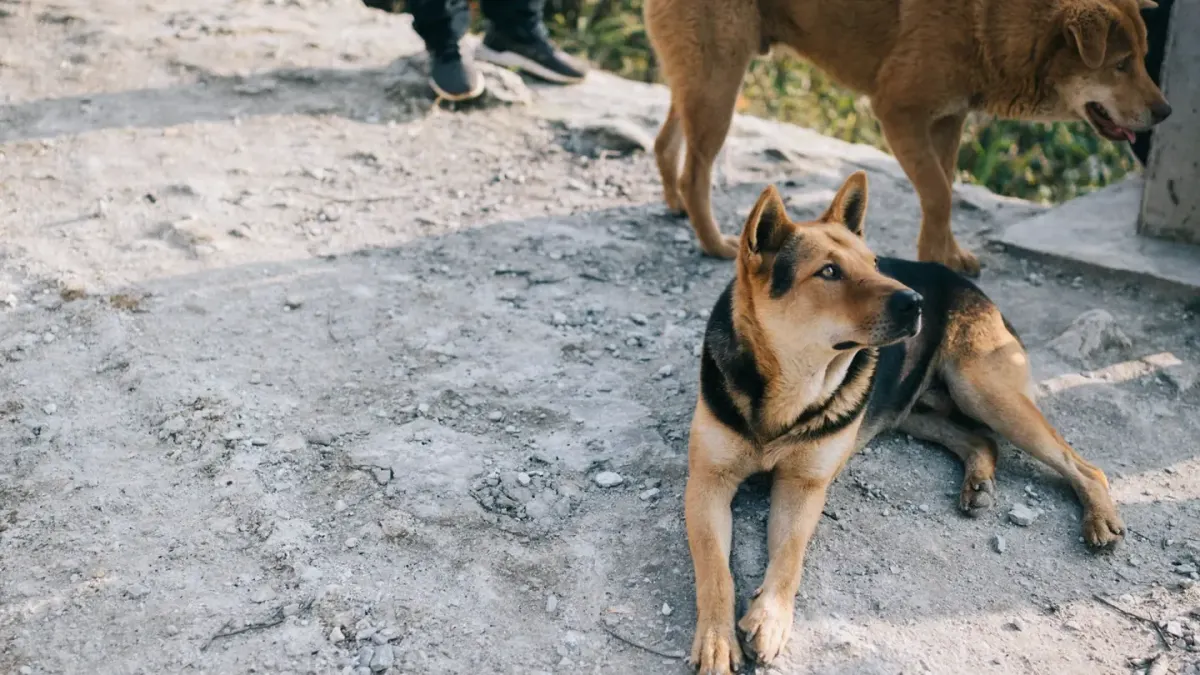
Stop upgrading the plastic. Start layering the work.
That ten-second solve tells you how your dog thinks. He uses paw force and pattern memory to bulldoze a sliding puzzle, not to work through it. As a neurologist I reach for both the imaging study and the acupuncture needle, which means I want mechanical challenge plus nervous-system downshift from sniffing, licking, and chewing. Stay anchored to how a modality is thought to work, not what it might cure, and enrichment stops being a toy and starts being a sequence.
A three-year-old 48-pound cattle-dog mix came to mind while I wrote this, the kind of dog who paces the kitchen while coffee brews and flips every slider with one swipe. His owner had already bought three levels of puzzles and timed him at under twelve seconds on all of them. By day 10 on a layered plan instead of a new purchase, his evening settle changed completely. He spent 18 minutes working a frozen towel roll tucked inside a cardboard box, then slept through dinner prep for the first time in months. The decision was not harder plastic. It was longer process.
Slow the mouth before you test the brain
Do this tonight. Feed half the meal scattered, not bowled.
Toss kibble across grass or a snuffle mat so the nose has to lead. Smear the rest on a lick mat with wet food or plain pumpkin and freeze it for two hours. Put the puzzle feeder last, after the dog is already breathing slower. You are adding sensory steps in lifecycle order, from search to lick to solve.
Speed is information.
The American Kennel Club describes enrichment as meeting species-typical needs like foraging and problem solving, and fast dogs are often missing the foraging half. If you only offer sliders and flaps, the brilliant paw-eye dog wins too fast and never drops arousal.
Stack challenges instead of buying levels
Think in layers, not levels. One toy rarely holds a fast dog.
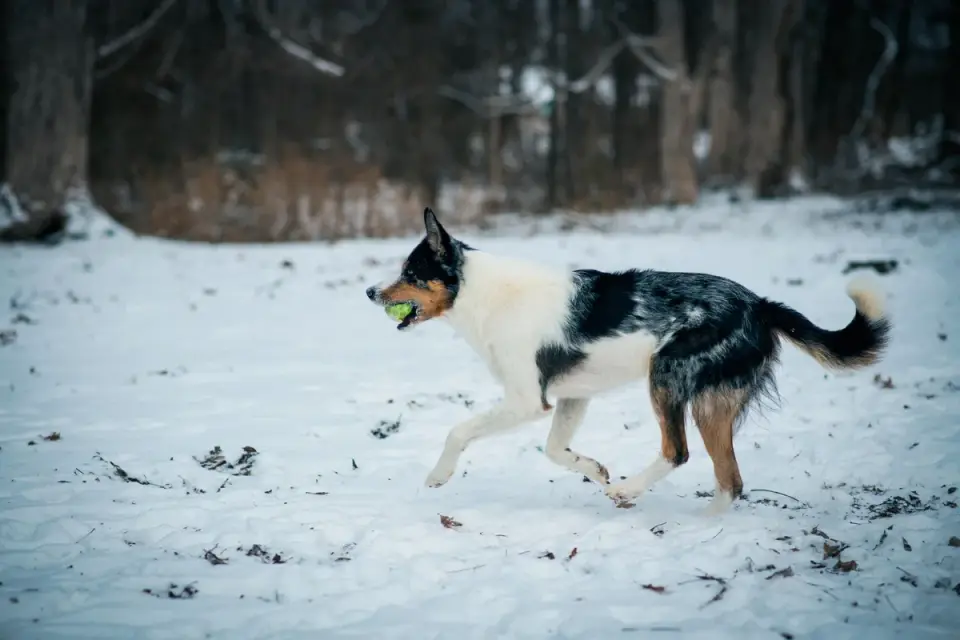
Combine three textures in one session. Wrap kibble in a knotted hand towel, stuff that towel into a cardboard box with crumpled paper, then place the box inside an empty laundry basket. Freeze wet meals in a silicone mold or hollow chew for the licking phase. Rotate which sense leads each night so pattern memory cannot take over.
A one-year-old 62-pound sporting mix showed me the tradeoff clearly. His owner jumped straight to a heavy Level 3 puzzle with tiny compartments to stop the ten-second solves. For three weeks in, the new record was 42 seconds, but the cost was obvious. He barked at the toy, bit the sliders, and paced afterward with a tight jaw and high tail. By day 10 back on layered foraging with scatter feeding plus a frozen lick, his post-meal pacing dropped from 25 minutes to under five. Harder did not mean calmer. It meant more frustrated.
For that contrast, compare what your dog is actually asking for in Chew Toys vs. Puzzle Toys for Boredom: Which One Actually Answers What Your Dog Is Asking For. Many power-solvers need to shred and lick first. If you are starting fresh, reset with Best Puzzle Feeders for Beginner Dogs: A Vet’s Guide to Starting Slow.
Read speed as arousal, then adjust the day
Watch the body, not the clock. Fast paws with soft eyes and loose tail swinging low means play. Fast paws with staring, whining, mouthing the toy, or sprinting room to room after means arousal overshoot. The Merck Veterinary Manual reminds clinicians to read whole-patient behavior patterns rather than isolated signs, and that applies in the living room too.
Cut session length before you add difficulty. Do five minutes, then cue a sniff walk or scatter reset. End while the dog still wants more. For dogs home alone, build these micro-sessions into departure and return using ideas from How to Keep a Dog Entertained While You’re at Work.
Here is where I land, and where I part from the just-buy-harder camp. The strongest counterargument is simple. A tougher electronic or multi-step puzzle should occupy a smart dog longer. Sometimes it does for two nights. In practice the dog memorizes the mechanism, frustration rises, and guardians leave the dog alone longer because the toy looks impressive. I still recommend layering sniff, lick, shred, then solve because it lengthens engagement through different neural pathways and supports calmer recovery afterward.
An eleven-year-old 26-pound terrier mix proved the edge case last spring. She still cleared every store-bought puzzle in under fifteen seconds, which looked like genius. Her owner noticed she then licked her paws for an hour and startled at hallway noise. At eleven years old with stiff hips, she could not safely wrestle heavy puzzles or chase scattered kibble across stairs. By week three on low-impact layering with a snuffle basket on a rug plus a soft frozen lick, her nighttime restlessness eased and she chose her bed for 90 minutes straight after dinner. Speed had masked discomfort and anxiety, not intelligence.
Feed the nose first and the brain stays in the game longer.
Frequently asked questions
Should I buy a harder Level 3 puzzle if my dog finishes in ten seconds?
Pause the purchase. Add foraging and licking before the puzzle first. Scatter half the meal, offer a frozen lick mat, then use the puzzle you own last. If solves stay under a minute but the dog settles calmly after, the sequence is working.
How long should enrichment last for a fast dog?
Aim for 15 to 25 minutes of total layered work, split into two or three short bouts. End while the dog still wants more. Longer is not better if panting, barking, or toy-biting rises.
What if my dog gets frustrated and chews the puzzle?
Lower difficulty immediately. Switch to shreddable layers like a towel roll in a cardboard box and frozen licks for two to three nights. Reintroduce sliders only after the dog can disengage easily.
Sources
- Dog Care Basics — American Kennel Club
- Behavior and Enrichment Overview — Merck Veterinary Manual