Why Smaller Dogs Tend to Live Longer Than Larger Dogs
A practical, whole-dog guide to why size predicts lifespan in dogs — growth rate, IGF-1, and what owners of big and small dogs should do differently.
Smaller dogs tend to live longer because slower growth stresses cells less, so match care to size.
Check weight first, then birthdays. A 7-year-old Great Dane and a 7-year-old Chihuahua are not the same age on the inside, and feeding, exercise, and vet timing should reflect that.
In practice, vets often see the same household puzzle: a 12-pound mixed-breed, adopted as an adult at an estimated age 4, still trotting for two 20-minute walks a day at calendar age 14, while the 92-pound housemate from a large-breed litter starts needing a ramp to the SUV by age 8 and shows a graying muzzle and slower rise from the rug. The owner worries they did something wrong with the bigger dog. The difference is usually biology plus growth history, not a single missed supplement or walk. That timeline gap — six extra active years on the same food schedule — is where size science becomes practical.
Slow the Growth Curve, Not Just the Gray
Keep large-breed puppies lean and slow-growing. Feed a large-breed puppy formula to the label, weigh monthly, and keep ribs easily felt under a thin fat cover. Ask your vet to score body condition at every vaccine visit.
Rapid growth is expensive for big dogs. Large breeds reach 50-plus pounds in under a year, with high insulin-like growth factor-1 (IGF-1) driving cell division. More divisions mean more chances for DNA errors, more oxidative load, and earlier wear on joints, heart, and cancer defenses. The U.S. National Library of Medicine record for the size-mortality study lays out how that faster life history trades early size for shorter adult lifespan across breeds.
What IGF-1 actually does
Think of IGF-1 as a growth throttle. Small dogs idle lower. Large dogs run wide open early, then pay maintenance costs later.
What to do by size
For expected adult weight over 50 pounds: choose a large-breed growth diet, avoid extra calcium and vitamin D, and resist pushing for max weight by 10 months. For expected adult weight under 20 pounds: guard against extra pounds too — a 2-pound gain matters far more at that scale.
Feed for condition. Move daily. Screen earlier for giants.
Protect Joints, Heart, and Cell Turnover Together
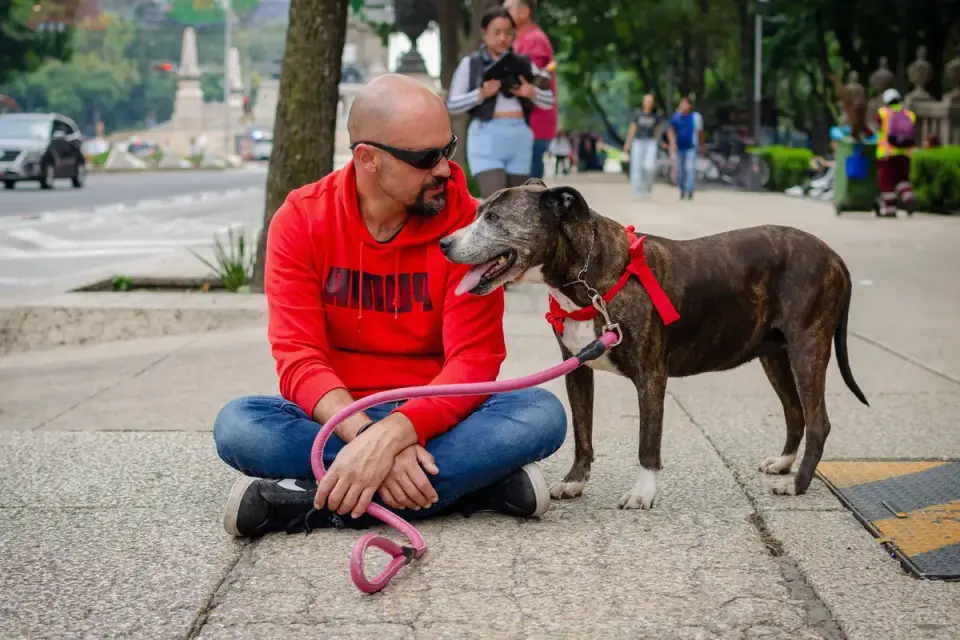
Build the week around low-impact movement, muscle, and mouth. Walk daily, add footing work twice weekly, and brush teeth or use VOHC-accepted dental care. Muscle supports aching joints better than rest alone.
The failed shortcut often looks like this: an owner of a 78-pound Labrador Retriever, age 9, notices lagging on the third block of their usual 1.2-mile loop and buys three different powders in six weeks — joint, antioxidant, multivitamin — while skipping the weigh-in. Weight has crept from 78 to 86 pounds since age 7, nails are long, and the dog now sleeps downstairs because stairs hurt. Nothing in the jars addresses the 8 extra pounds loading the elbows and cruciates or the missed dental that leaves gums bleeding during chew time. Once the plan flips to measured meals, a return to 79 pounds, trimmed nails, and five short walks instead of two long ones, the dog reclaims the full loop without new products.
Move for the joint you have
Swap one long weekend hike for shorter daily walks. Add 5 minutes of slow cavaletti poles, sit-to-stands, or underwater treadmill if your clinic offers rehab.
Feed the whole system
Look for AAFCO-balanced food matched to life stage, keep fresh water available, and keep treats under 10% of calories. Food therapy principles fit here: warm, easy-to-digest meals in consistent morning and evening feedings may help support comfort and routine for seniors, without promising reversal of aging.
Learn more about daily structure in The Best Daily Routine for a Healthy Senior Dog’s Vitality and why hind-end changes deserve prompt attention in Why a Dog’s Back Legs Give Out: Reading the Timeline Before You Panic.
When Small-Dog Rules Break for Big Dogs
Start senior screening earlier as size rises. Ask about baseline labs around age 7 for medium dogs, around age 6 for large dogs, and around age 5 for giant breeds. Track weight, thirst, cough, lameness, and lumps between visits.
The Dog Aging Project work on why dogs age at different rates points to the same owner takeaway: calendar age underestimates biological age in large dogs, so prevention has to shift left.
A different household shows where textbook advice bends: a 6-year-old Great Dane mix, 118 pounds, with early knuckling in the rear and nighttime restlessness three nights per week, cannot follow the standard “more walks for longevity” handout. The usual plan would add distance. The workable plan subtracts it — three 10-minute sniff walks on grass instead of one 30-minute road march, a non-slip runner from bed to door, a raised feeder, and a neurology check using guidance like Dog Hind Leg Weakness: A Neurologist’s Checklist for Telling Painful From Disconnected. Same goal of mobility and comfort, opposite dose.
Red flags that jump the line
Seek same-week care for new non-weight-bearing lameness, fainting, bloat signs, rapid weight loss, or a fast-growing lump. Big, deep-chested breeds carry higher gastric dilatation-volvulus risk — know your emergency clinic route.
Same-breed differences still matter. For that layer, read Why Some Dogs Live Longer Than Others of the Same Breed.
Keep the focus on maintainable comfort, steady weight, and early detection. That whole-system rhythm gives small dogs more healthy years and gives large dogs their best shot at them.
Frequently asked questions
At what age is my dog considered senior if size changes lifespan?
General guidance is around 7 years for medium dogs, 6 for large breeds, and 5 for giants, with small dogs often considered senior closer to 8-10. Use weight trend, mobility, dental health, and lab work with your vet — not birthday alone — to set screening timing.
Can I make a large dog live as long as a small dog with diet or supplements?
No diet or chew overrides growth biology and genetics. Keeping a large dog lean from puppyhood, building consistent low-impact activity, maintaining dental care, and screening early supports comfort and may help support healthy aging, but it does not convert a giant-breed timeline into a Chihuahua timeline.
Sources
- The size-life span trade-off decomposed: why large dogs die young — U.S. National Library of Medicine
- Why dogs age differently across breeds and sizes — Dog Aging Project